 Louise Ivan
 01 / EARLIER CHECKPOINT6 JUL 2025
BODY / STUDIOLoading model…ILLUSTRATIVE MODEL+
LOUISE IVAN
THENINBODY 570 / MEASURED STATS
LOUISE IVAN / MUSCLEMAXXING EDITION
I was doing a little bit of everything, from weightlifting to CrossFit and calisthenics, without a proper plan to bring it all together. Even though I was training, I kept gaining weight and reached my heaviest recorded weight of 63.9 kg in July 2025, and I wasn’t happy with how I looked.
By March 2026, I decided it was time to invest in myself, find a coach and become a gigachad, so I started documenting how my body changed along the way.
INBODY 570 / MEASURED STATS
INBODY 570 / MEASURED STATS
The studio models are generic illustrations, not scans or reconstructions of Louise. Both use the same model; the recorded measurements show the actual differences. Radar labels show kilograms, using a shared scale for each body region across checkpoints. These are display scales, not InBody reference percentages or health ratings. The earliest training-period scan available is June 11.
01 / MARCH–JUNE 2026 · FINDING STRUCTURE
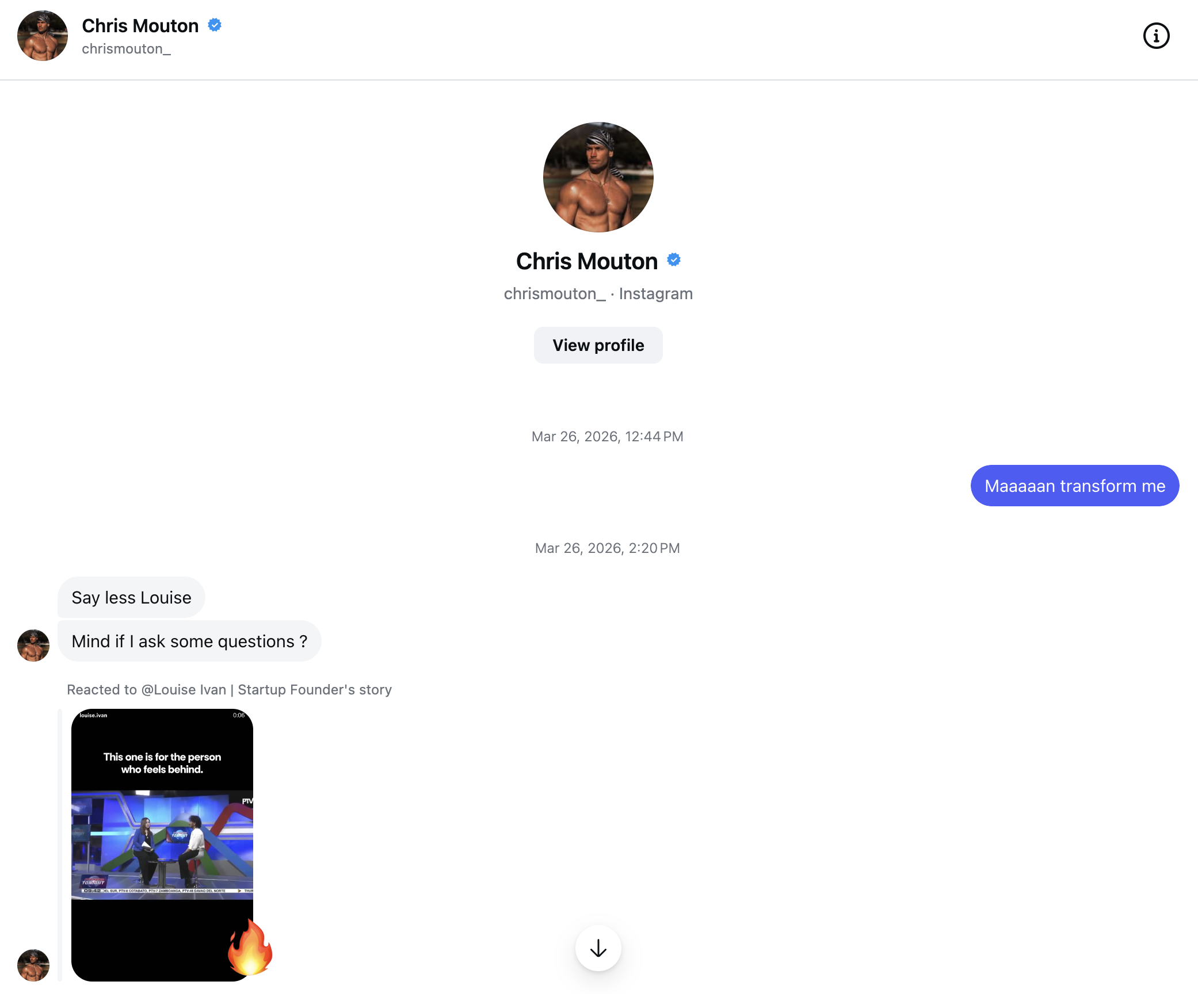
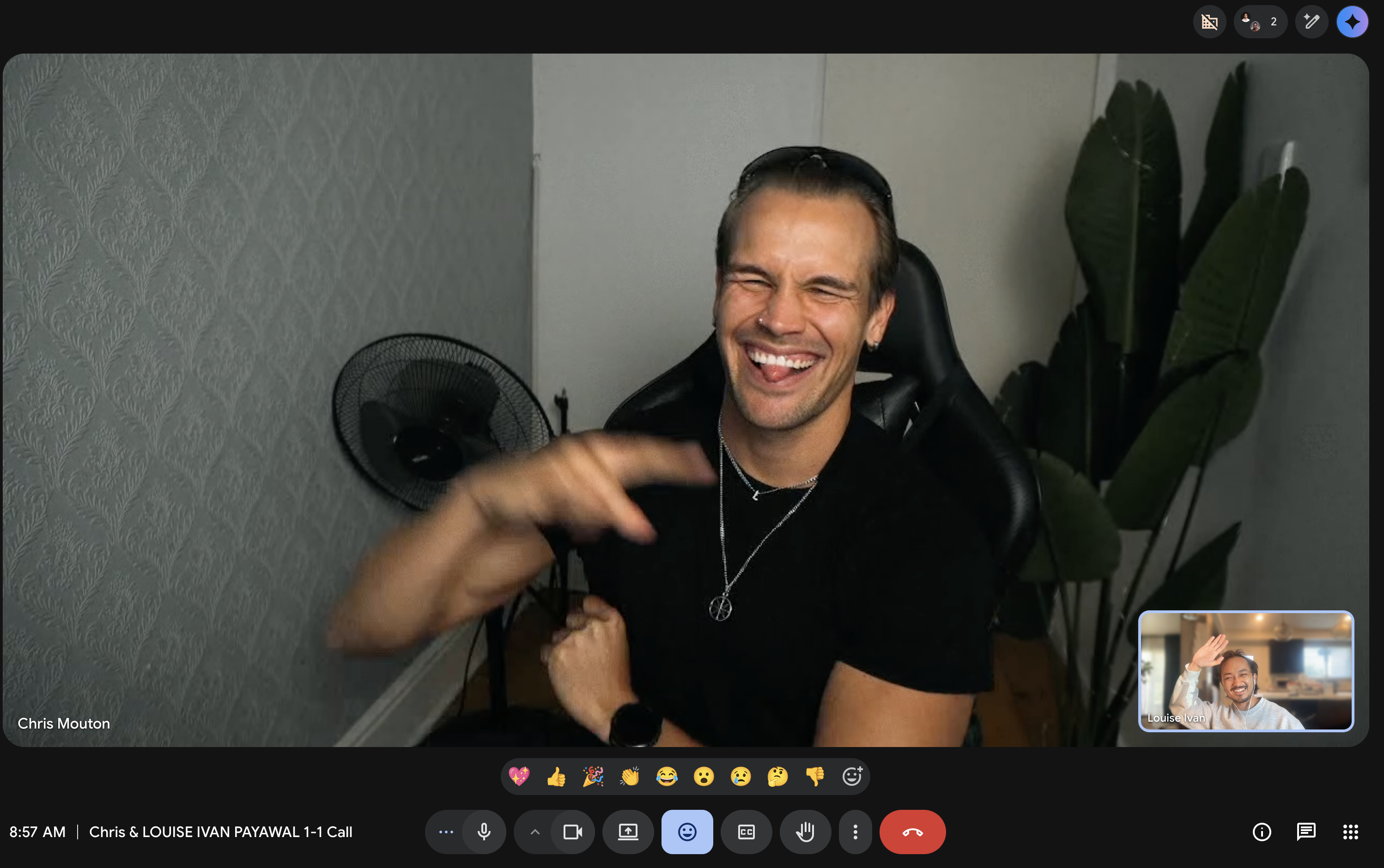
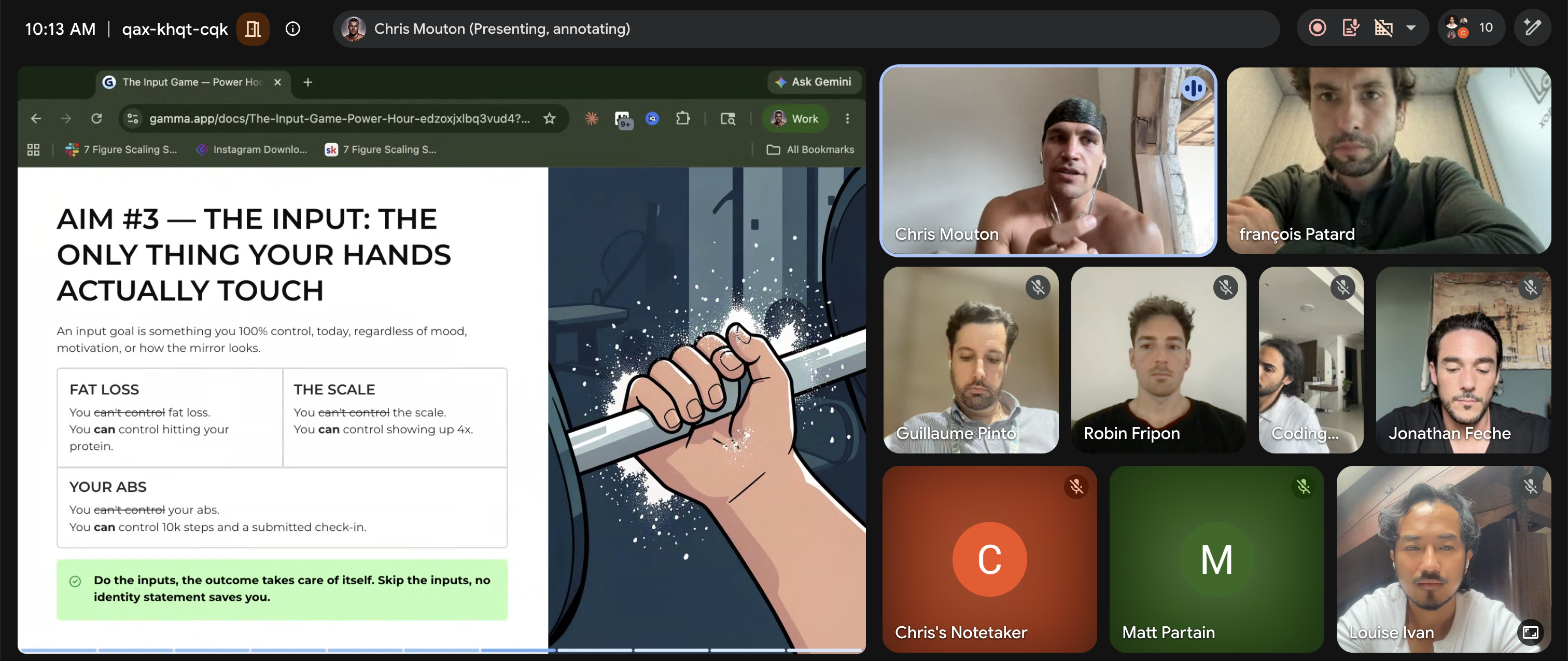
I found Chris on Instagram and sent him a message asking him to transform me, which led to our first call on 26 March 2026 and joining his Everfit program on 5 April. My first completed assignment is recorded that day, while my weekly weight comparison starts with the week of 6 April. Looking back through my notes, the check-ins covered everything from managing hunger to knowing when to change direction and start building muscle.
26 MAY / MAKING IT REPEATABLE
I reported 57.8 kg, down about 2 kg at that check-in. Eating twice a day was leaving me hungry, so we talked through a more structured approach to meals, with protein, carbs, vegetables and fruit.
3 JUNE / A CHANGE IN DIRECTION
Before the lean bulk, the aim was to lose about 5 kg and get down to around 56 kg. My 3 June note records our agreement to start a lean bulk the following week. The saved weekly weights show 56.1 kg in late July; that weigh-in is a later checkpoint.
8 JULY / WHAT WAS HELPING
I logged 58.1 kg and wrote that I was probably the leanest I had been in quite a while. What helped most was accountability, regular check-ins, and learning how macro- and micronutrients fit into my training.
SEPTEMBER 2026 / SEEING THE CHANGE
September was the first time, after five months, that I could see the change in my body, and seeing that progress made me more motivated to keep going.
Highlights from my written coaching notes. Check-in weights and personal observations are separate from the InBody scan records.
02 / THE ROUTINE AND THE PROGRESS
With Chris’s guidance, I followed a structured program of weightlifting, running, core work and conditioning, while tracking my macros and weight as consistently as I could. I didn’t log every meal, but having a plan helped me stay focused, and my InBody checkpoints show the change: between July 2025 and September 2026, my weight went from 63.9 to 59.4 kg, body fat from 16.1% to 7.8%, and skeletal muscle from 30.3 to 31.2 kg, amounting to 5.7 kg less fat and 0.9 kg more muscle.
THE FOOD THAT FITTED INTO MY ROUTINE
In May, Chris and I talked about putting more structure around my meals. These are the common meals I’ve since shared from my food diary: quark, granola and whey for breakfast, then combinations of fish or beef, eggs, rice, vegetables and sweet potato.
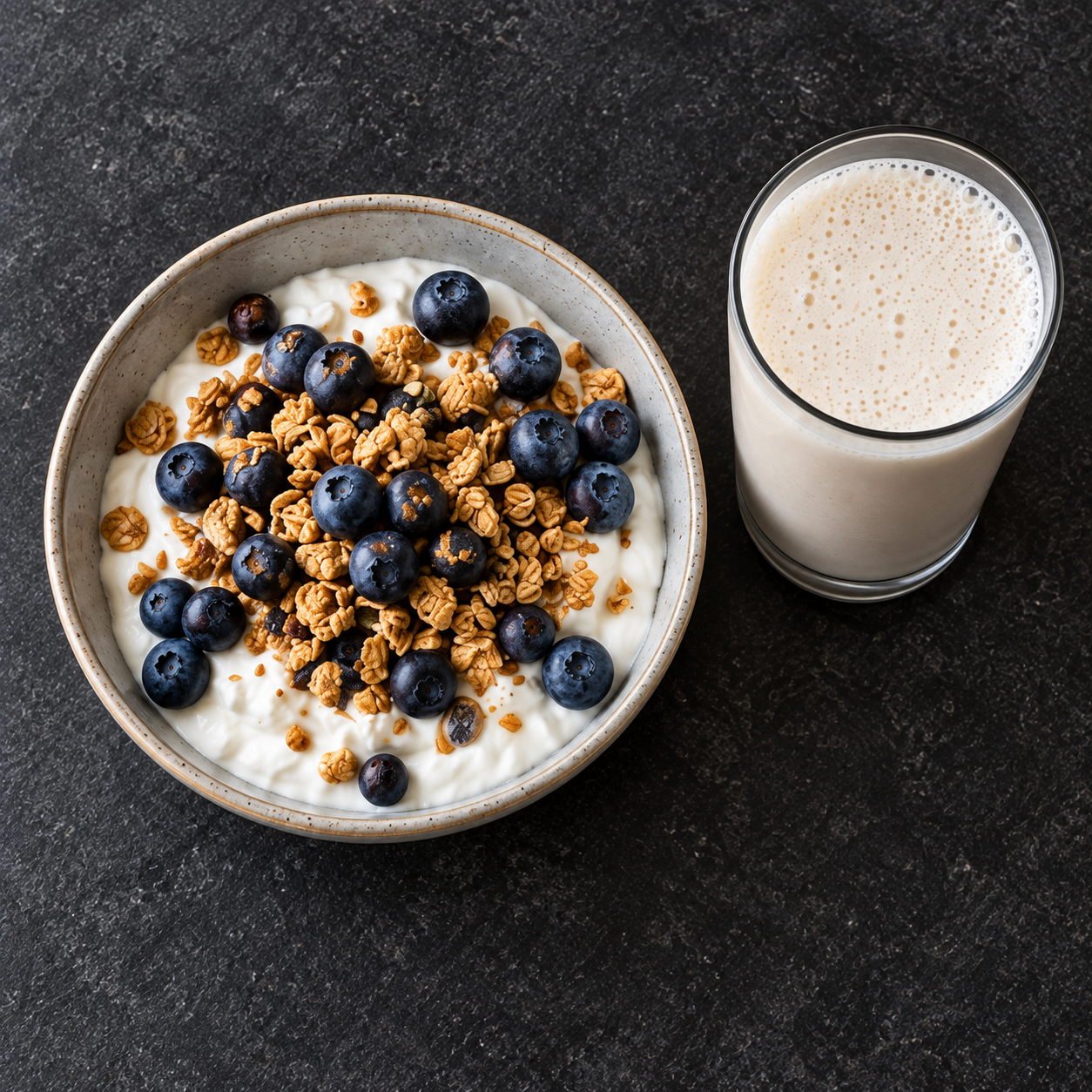
My regular breakfast combines 150 g low-fat quark, ¾ cup protein granola and 30 g blueberries, and I also take at least two scoops of grass-fed whey protein.
608 kcal · 73 g protein Displayed breakfast total
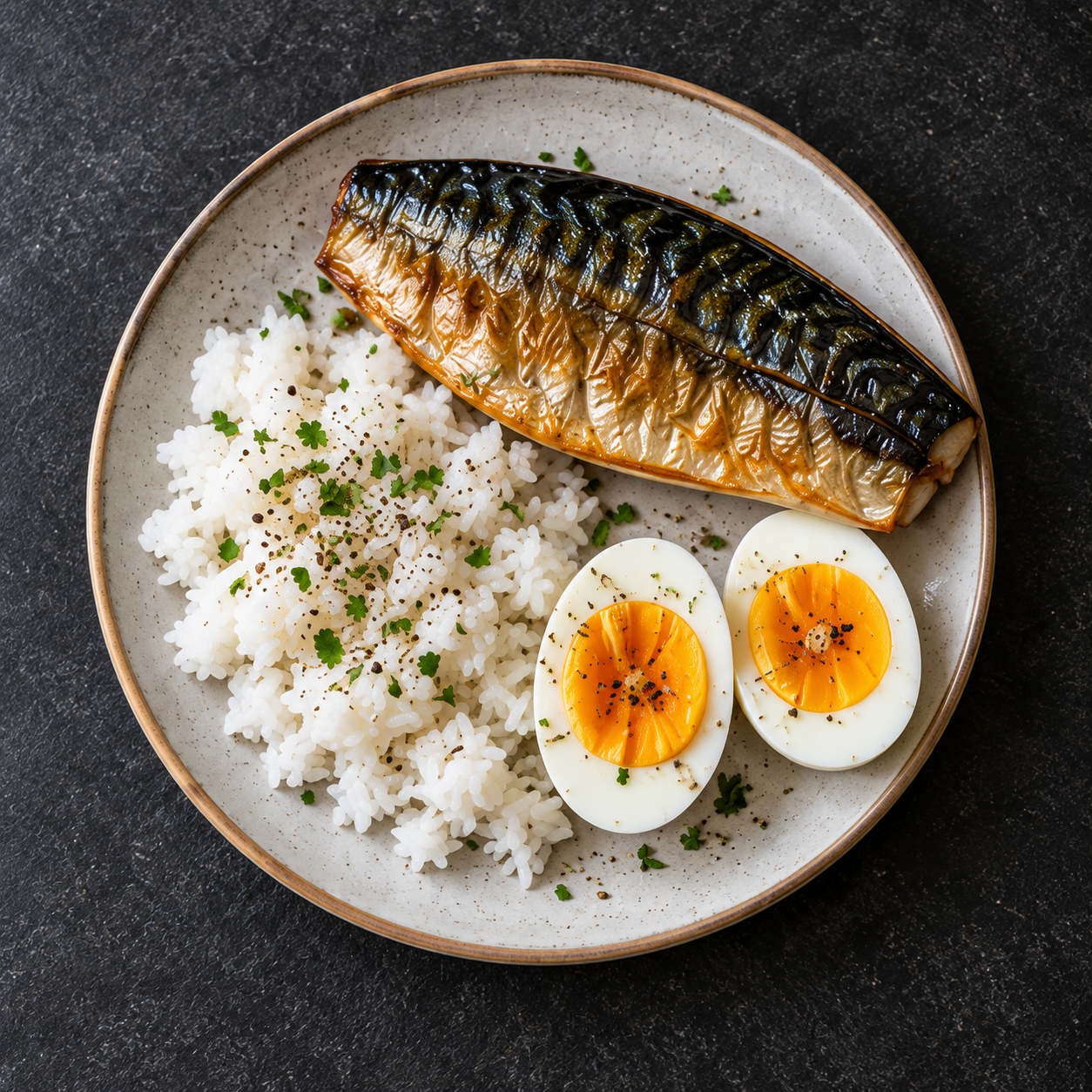
Two mackerel entries totalling 280 g, 200 g rice and an egg entry with a serving of two eggs.
768 kcal · 58 g protein 10 September · lunch
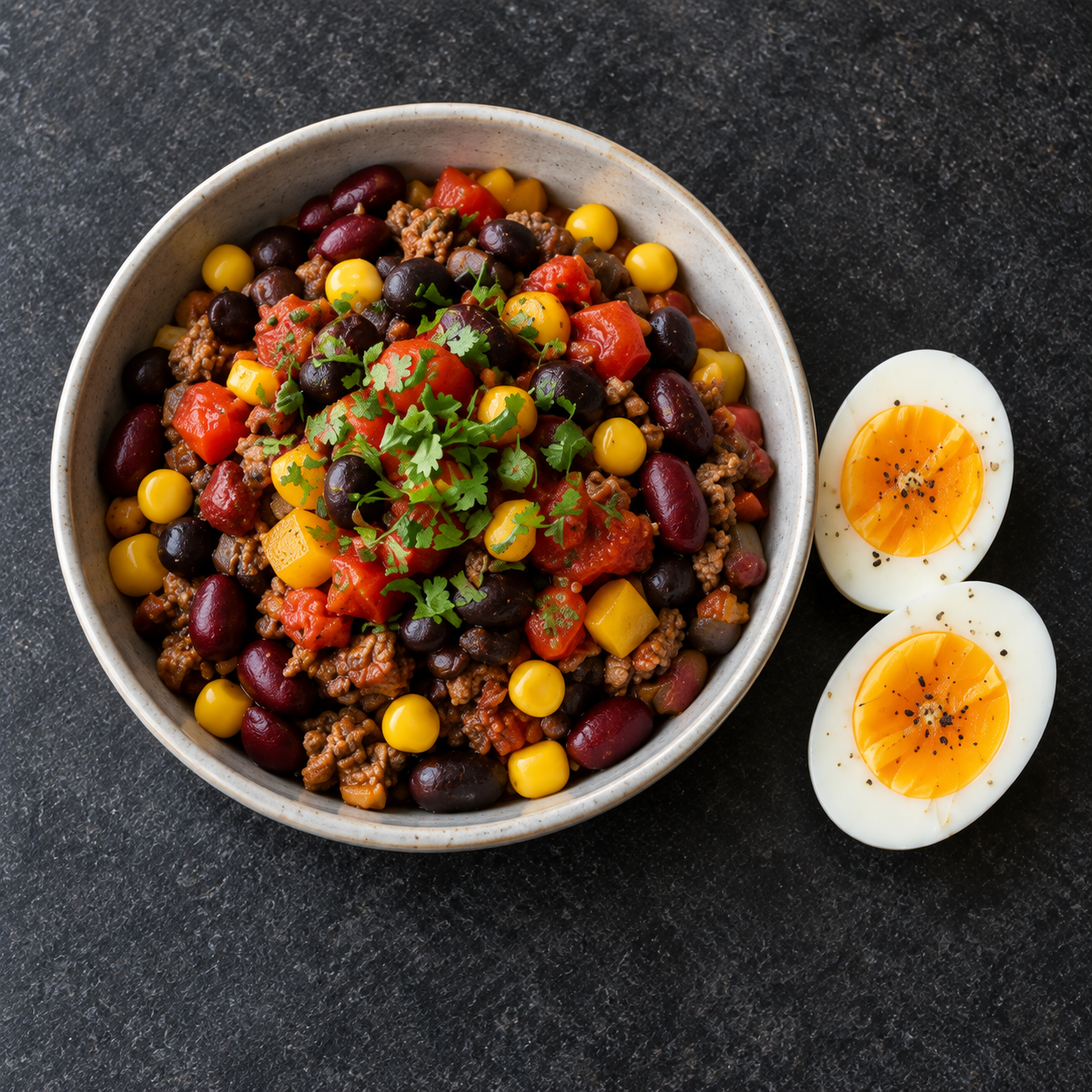
150 g ground beef, tomatoes, 150 g peppers, kidney beans, black beans and corn, plus an egg entry with a serving of two eggs.
660 kcal · 44 g protein 7 September · dinner
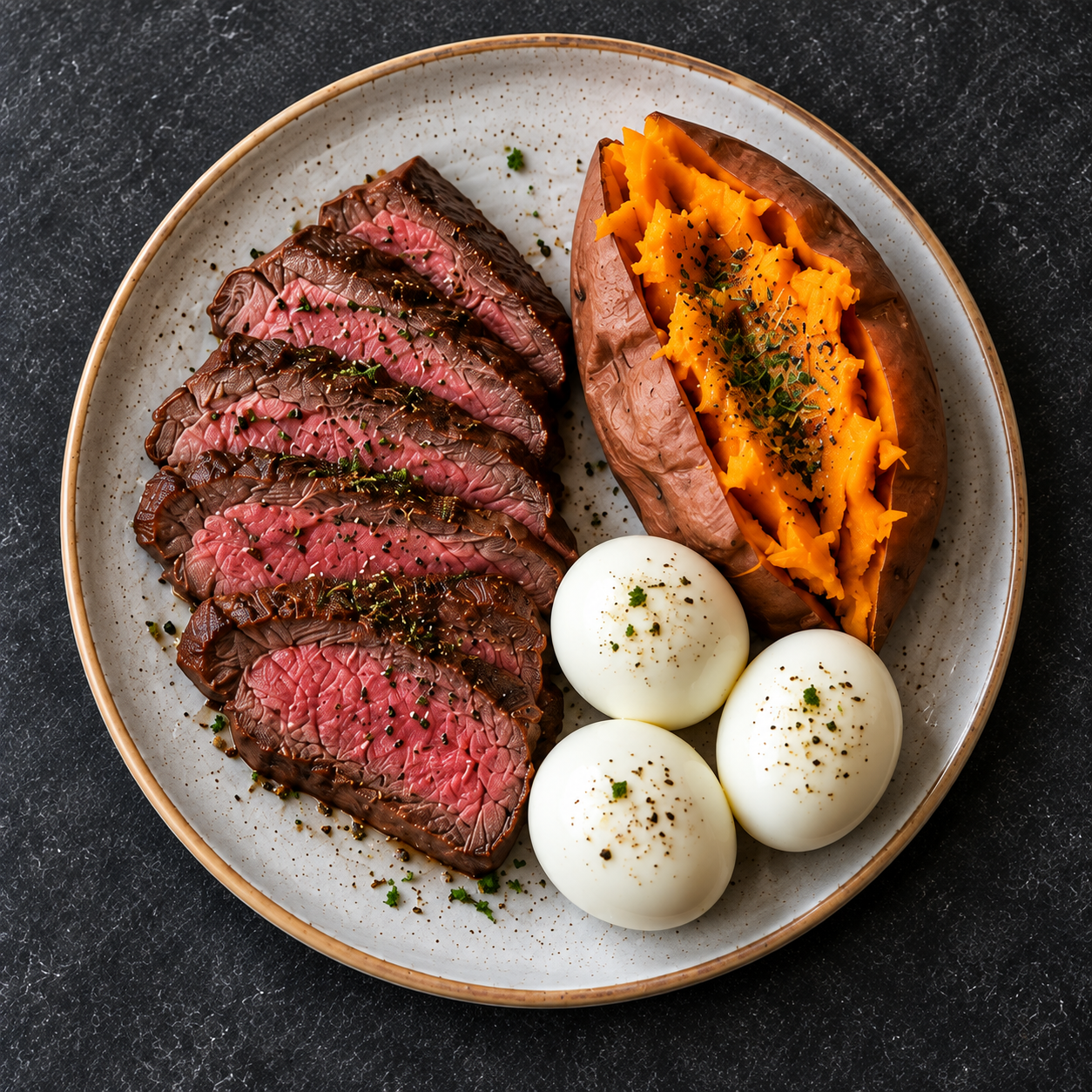
My steak dinner combines 210 g flat iron steak with 200 g baked sweet potato and three boiled eggs, as logged on 26 August.
674 kcal · 68 g protein 26 August · dinner including three eggs
Food images are AI-generated illustrations of my meal combinations, not photos of my actual plates or exact portions. These are my common meals, as described by me and shown in the supplied MyFitnessPal screenshots. Portions and nutrition reflect the app entries. They are examples, not a complete daily menu or a frequency ranking.
HOW MY FOOD TARGET CHANGED
I started with a target of 1,800 calories a day to work toward losing about 5 kg before moving into the lean-bulk phase.
I increased my food target to support building muscle while gradually gaining weight, with different targets for training and rest days.
I try my best to stay close to these targets, although I’m not perfectly consistent with tracking and some days are a best guess. My food diary reflects what I remembered to log, so it doesn’t always capture everything I ate.
MYFITNESSPAL / SELECTED WEEK · 22–28 JUN 2026
Daily logged averages · compared with training-day targets
Sometimes I wasn’t able to log my food, so these numbers don’t capture everything I ate. I try my best to stay close to my targets. This selected week is closest overall to my training-day calorie and macro targets among Monday–Sunday weeks with entries on all seven days, from 8 June through the export date. Selection gives equal weight to the percentage difference from each of the four targets. It is not my overall average or proof that I met my macros, and it does not account for different targets on rest days.
04 / FOLLOWING THE CHANGES OVER TIME
My weekly weight dropped from 60.2 kg in April to 56.1 kg in late July before returning to 59.1 kg by September, which was close to where I had started. Over a separate set of measurements, my InBody scans recorded muscle mass rising from 30.4 kg in June to 31.2 kg in September, helping me see what was changing as the weight came back.
Latest recorded weight
Shaded area: 23–30 June, Sicily, based on flight emails. Travel provides context; it does not establish the cause of a metric change.
A CLOSER LOOK AT MY BODY COMPOSITION
Between the July and September 2026 scans, my weight rose from 57.4 to 59.4 kg while recorded muscle mass increased from 29.9 to 31.2 kg and fat mass fell from 5.0 to 4.6 kg. Seeing those measurements together gives me a better picture of the progress I want to keep tracking.
Segmental lean mass is distinct from skeletal muscle mass. Bars show the latest scan; values read selected checkpoint → latest, with the change alongside. Missing measurements are marked as not recorded.
THE RECORDS BEHIND THE ROUTINE
My WHOOP, Everfit and MyFitnessPal records from April to September bring together the training, movement and food logging behind these body measurements, including days I recorded in only one app.
TRACKED WEIGHT PROGRESS · EVERFIT
Weekly displayed weights. Your first tracked April week is the baseline; an exact first-day weigh-in is not available.
11 Jun 2026 → 23 Sep 2026 · InBody 570
First available training scan → latest scan.
WHOOP activities, completed Everfit assignments and synced activities, plus MyFitnessPal exercise entries. Each date counts once.
95% of days have meal entries
A logged day may still be incomplete.
THE PROGRAM BEHIND MY TRAINING / EVERFIT
I’d say I stick to the program about 80% of the time, but sometimes I swap a weightlifting session for a HIIT or HYROX class to switch things up. My Everfit history shows the sessions I marked complete in the app, while those classes are also part of how I train.
These are exercise prescriptions. A completed workout status applies to the assignment as a whole; it does not confirm every prescribed set. Actual weights and reps performed per set are not available in this export.
THE TRAINING BEHIND MY SEPTEMBER CHECKPOINT
These exercises were part of the program I followed while paying more attention to my food and tracking how my body changed. By September, I could finally see the difference, and my latest scan gave me another way to look at that progress alongside the training I’d been doing.
11 JUNE → 23 SEPTEMBER 2026 / INBODY
These are changes across my overall routine, including training and nutrition. The scans don’t tell me how much any individual exercise contributed.
See my body checkpoints ↑EXERCISES IN MY COMPLETED WORKOUTS
This is a selection of the exercises listed in workouts I marked complete in Everfit. I’d say I followed the program about 80% of the time, sometimes switching a weightlifting session for HIIT or HYROX to keep things varied.
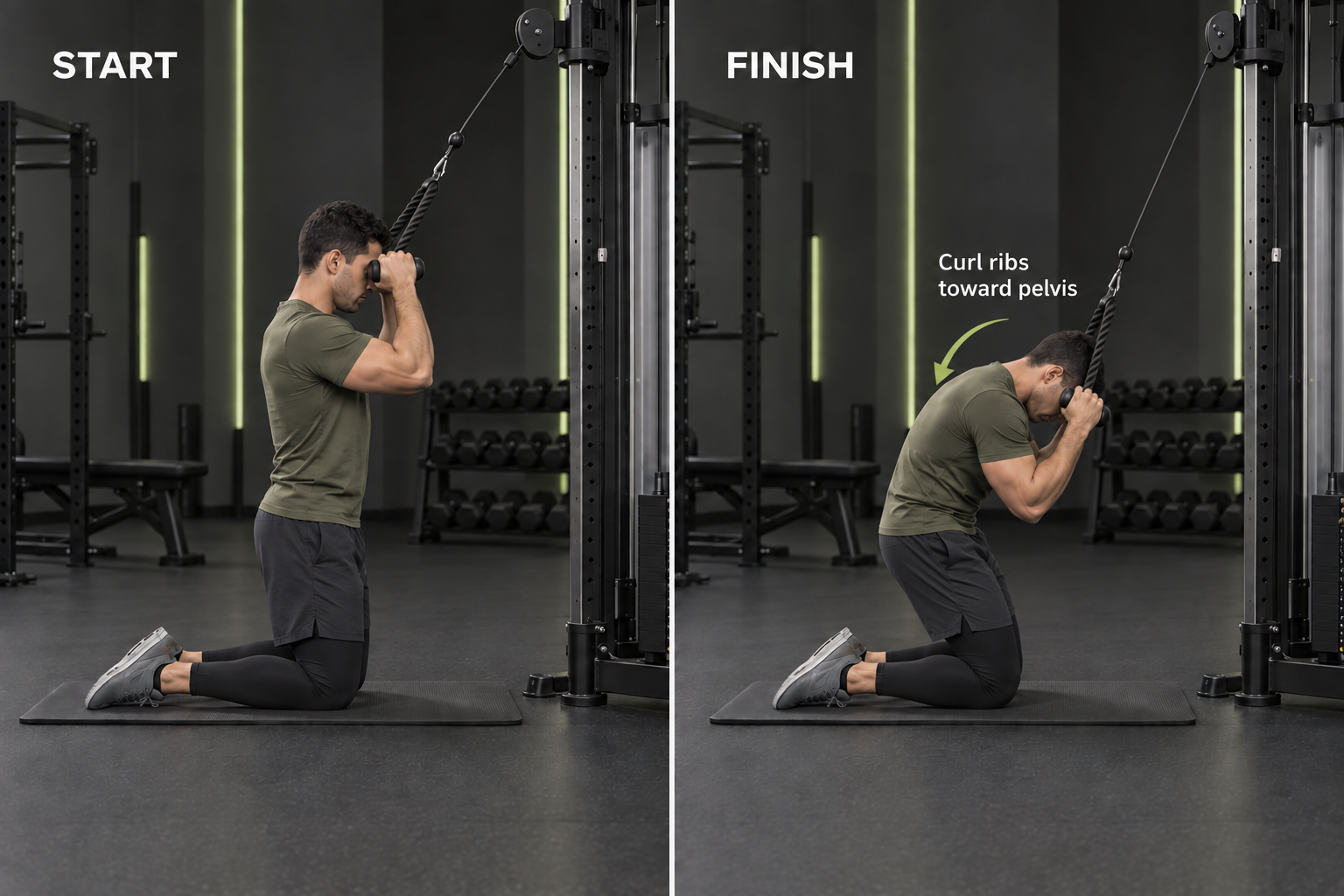
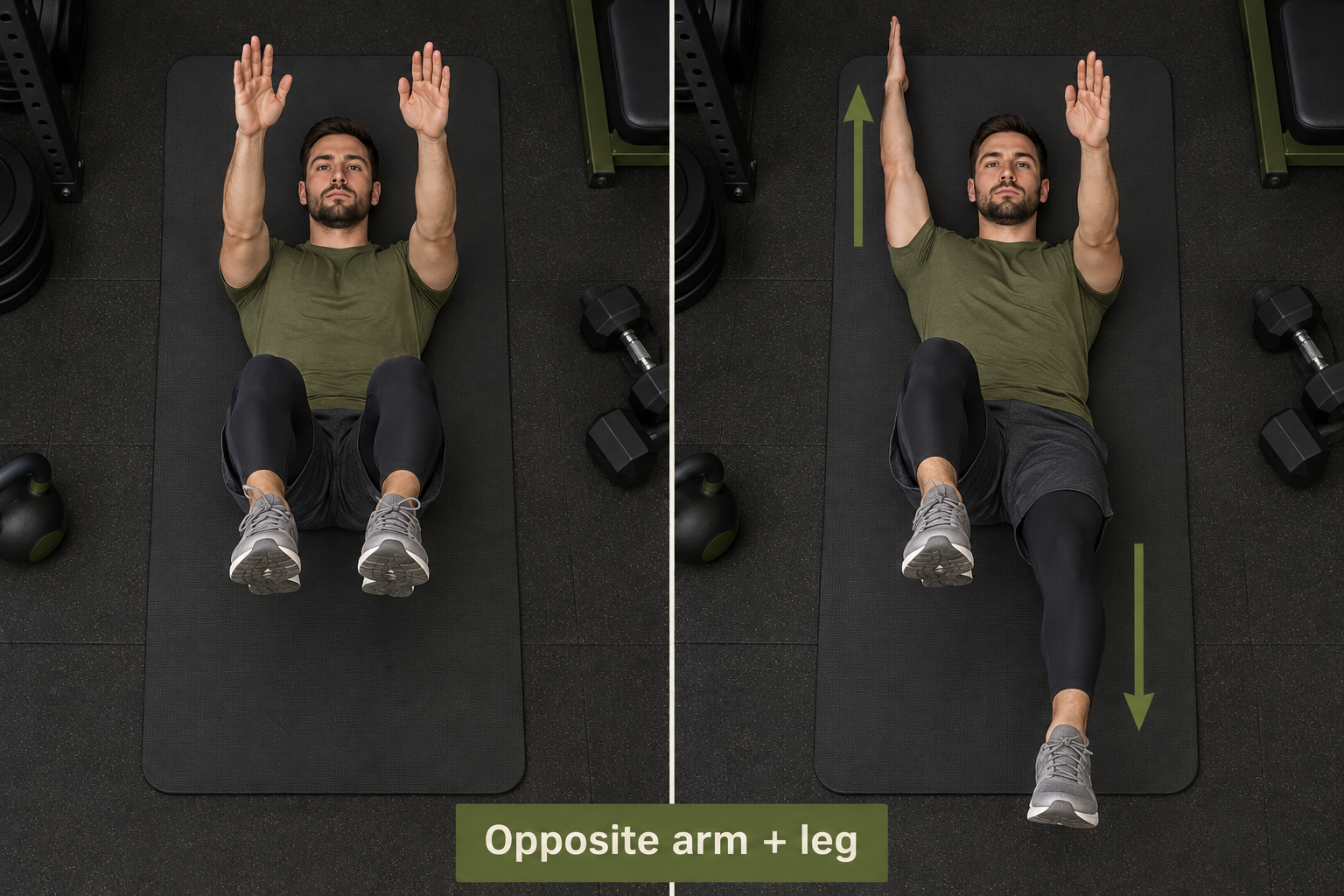
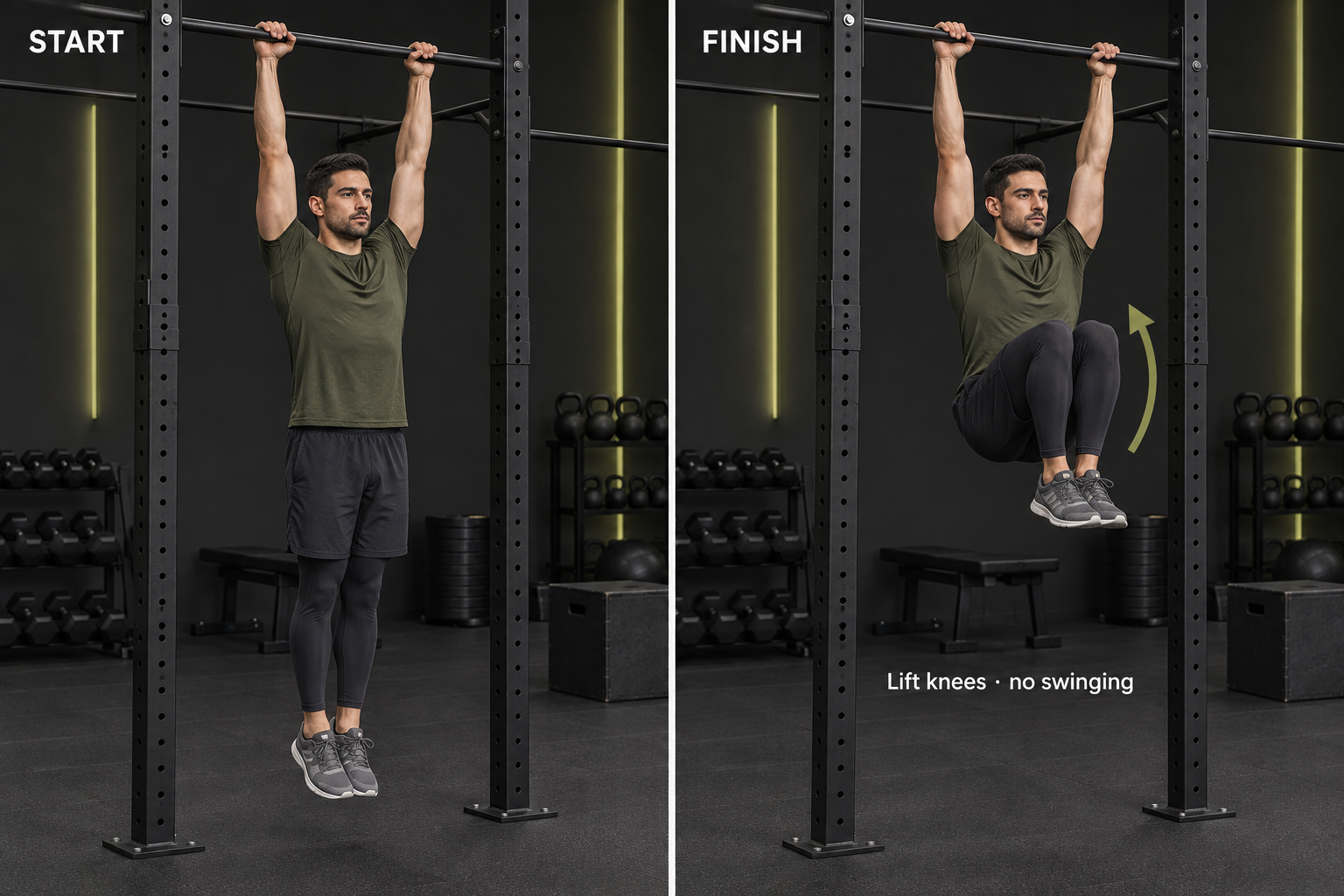
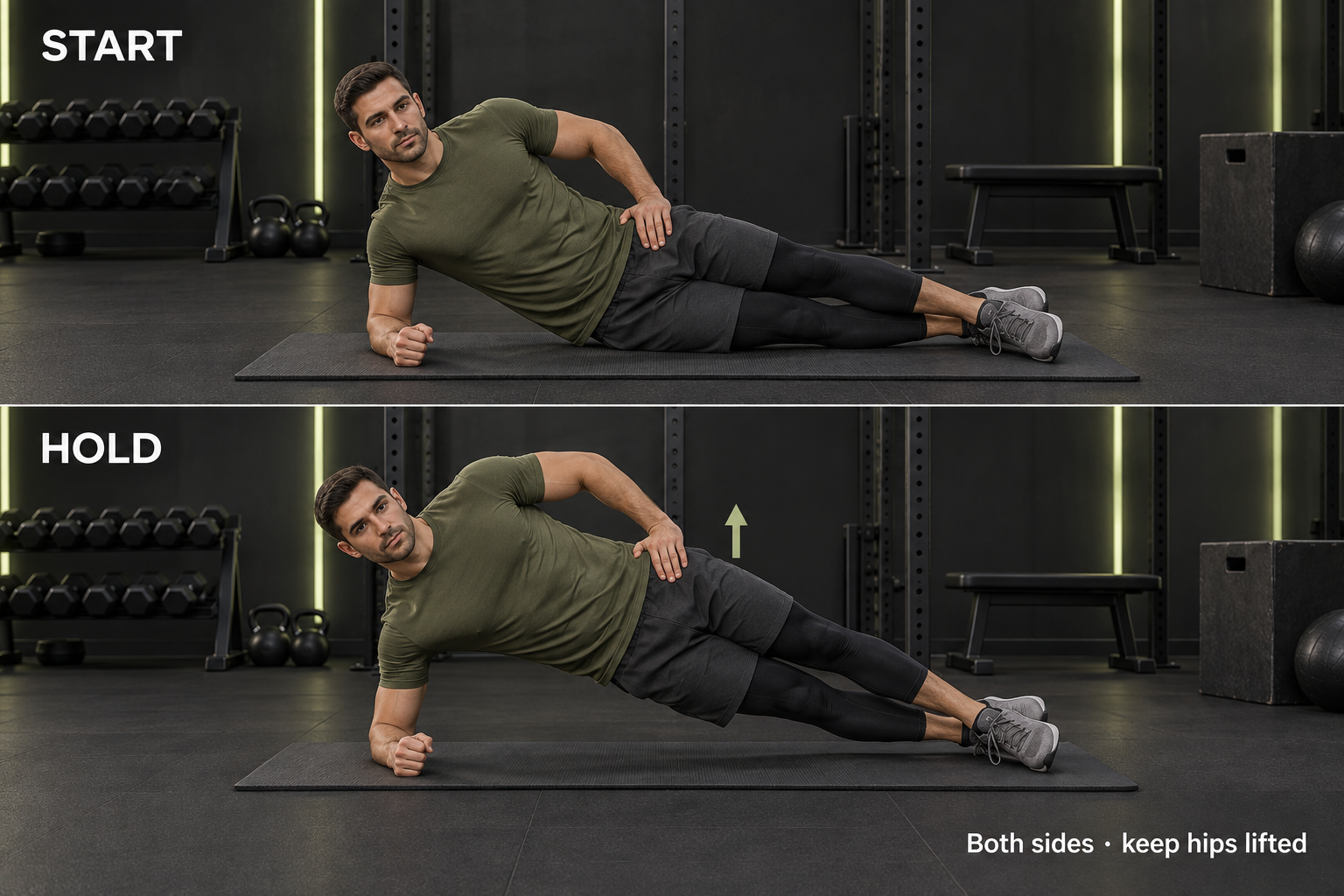
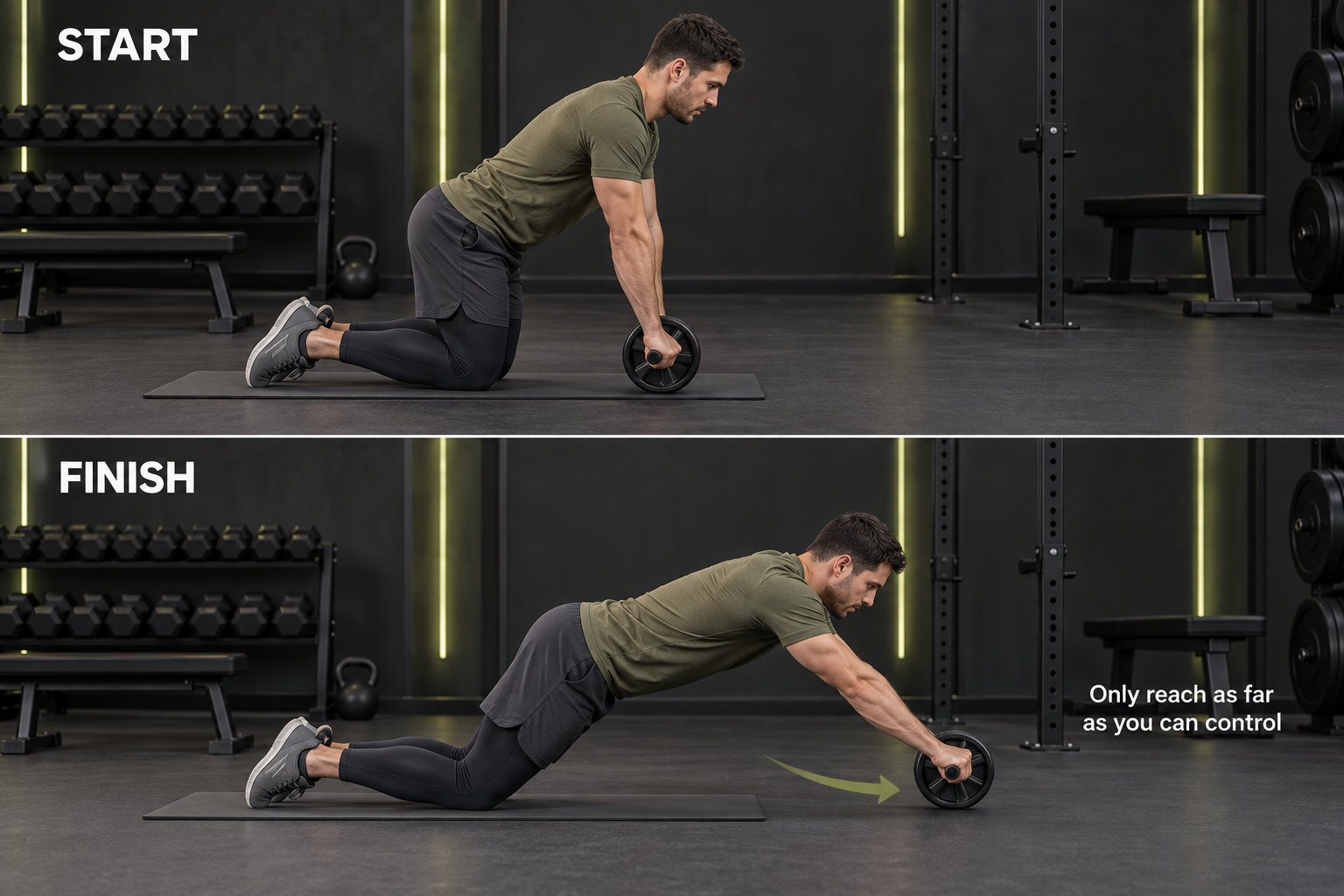
AI-generated exercise illustrations, not photos of my workouts.
Everfit records completion for the whole workout, so these entries show the exercises in that plan rather than confirming every set was performed.
Assignments marked complete, divided by assignments dated through 23 September 2026. September is a partial month.
WHOOP / EVERFIT / MYFITNESSPAL
I don’t always log in the same app, so this calendar brings together my WHOOP activities, completed Everfit assignments and synced activities, and MyFitnessPal exercise and step records. Each day counts once, even when it appears in more than one app.
6 April–23 September 2026, using the calendar dates recorded by each export. This counts days with evidence of movement, not unique workouts or exercise intensity. Positive step totals count as movement; calorie adjustments alone do not count as workouts. Planned or uncompleted assignments are excluded. Empty cells mean no record, not necessarily a rest day. Hover or focus a day to see its sources and entries.
FOLLOWING MY WHOOP AGE ALONGSIDE THE BODY CHANGES
For the week of 20–26 September, WHOOP shows my age as 27.9, which the app reports as 4.3 years younger than my chronological age. I’m following this alongside my body measurements, sleep and recovery as I continue training.
20–26 September 2026
25 MAR–20 SEP 2026
The curve is a visual reconstruction of the screenshot, not exact historical readings. The labelled endpoint of 27.9 and average of 29.8 are reported by WHOOP. Its six-month average is 9% higher than the prior six months.
From what I remember, I was travelling back to back and changing time zones so often that I associate that stretch with my WHOOP Age shooting up. Looking at the graph now, I want to understand how those trips lined up with my sleep and recovery, alongside everything else that was changing in my routine.
This is my recollection, not a confirmed explanation of the spike. The saved flight records establish some travel dates, but the full itinerary and exact historical WHOOP Age readings are still incomplete.
I noticed changes in my WHOOP Age around my trips and want to follow those alongside sleep and recovery, although these screenshots don’t establish what caused the changes. The current screen reports a weekly increase even though the broader graph has been trending down since its peak. These are WHOOP’s app-reported metrics. The native graph reproduces the overall shape approximately; original screenshots are preserved in my private records.
05 / WHEN I COULD FINALLY SEE IT
September was the first time, after five months, that I could see the change in my body, and that made me more motivated to keep training. Following a plan, paying attention to my macros and having someone to check in with had made such a difference from doing a little bit of everything on my own.
I’m still not perfect with tracking, but I’m trying my best and want to keep documenting how my body changes from here.
PLANNED TRAINING · FOUR WEEKS
I’m using this five-day plan to focus on chest, shoulders, back and arms while keeping one leg day. Each session is about 105 minutes: 7 minutes warming up, 45 minutes lifting, 8 minutes of abs and 45 minutes of cardio. The sets below are working sets; warm-up sets are extra.
Schedule at a glance
Move sessions to other days as needed while preserving the push–pull–legs–push–pull order. Open a day for its working sets and two-round abs circuit. “Each” means each side.
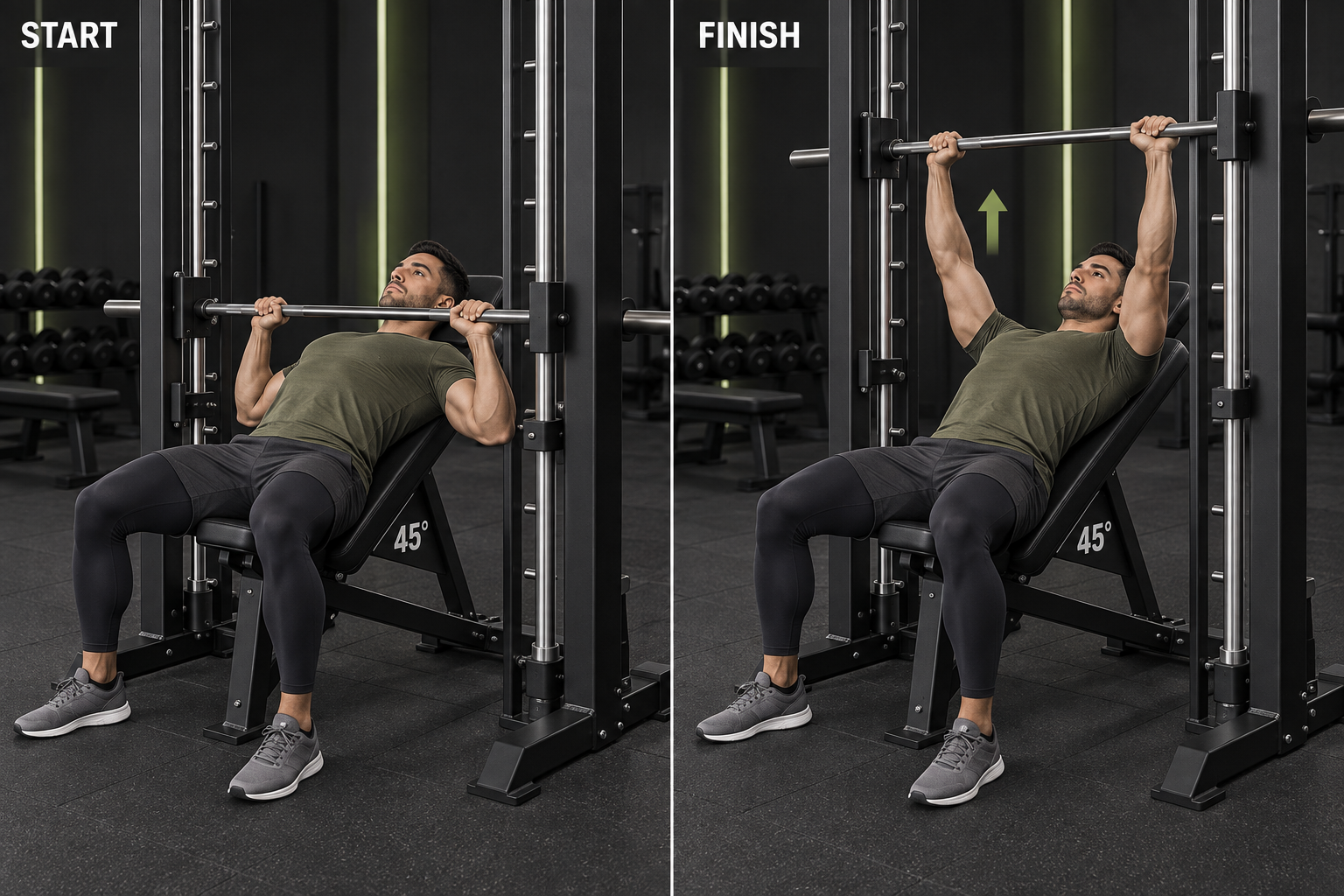 AI illustration · view full size ↗Technique reference ↗
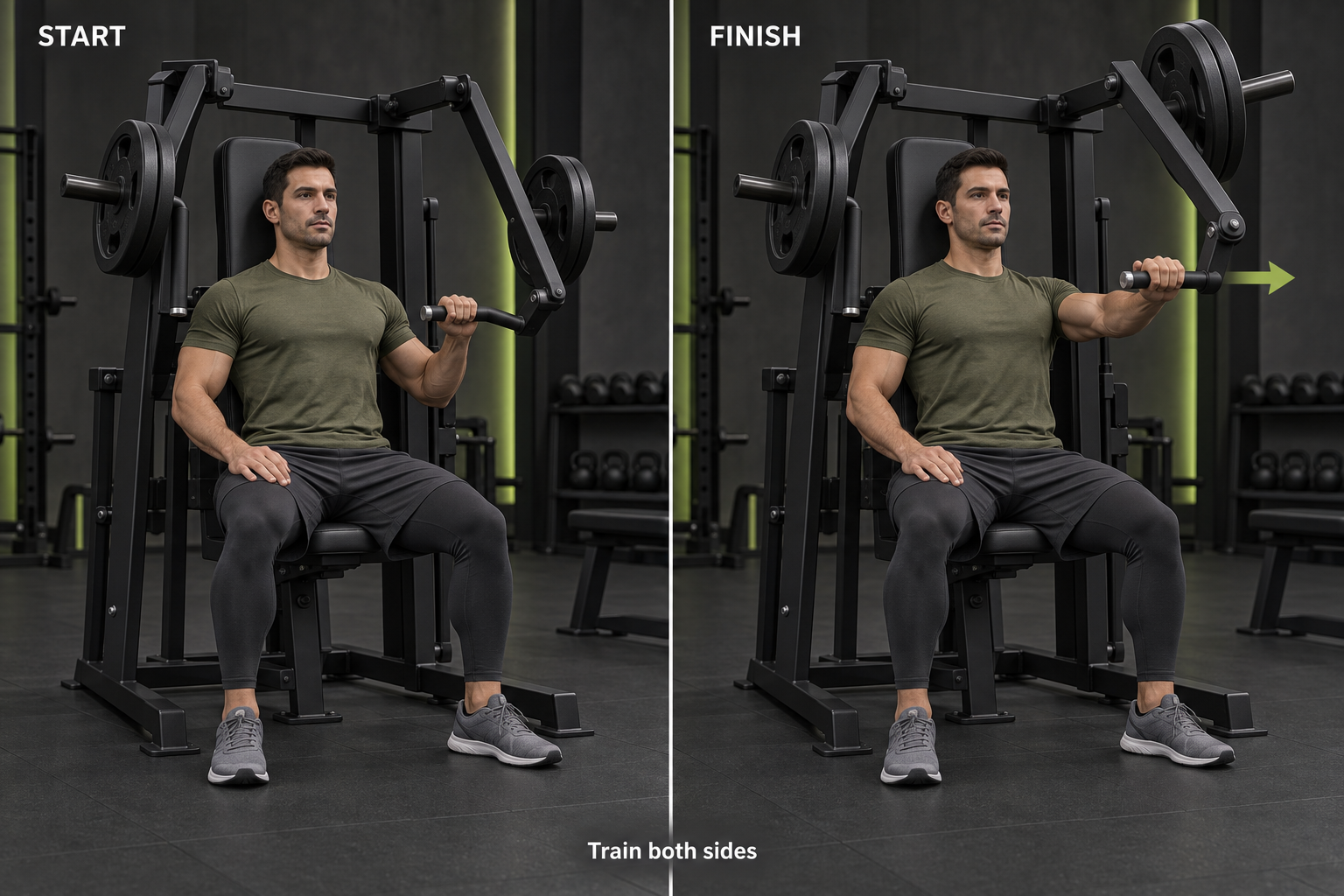 AI illustration · view full size ↗Technique reference ↗
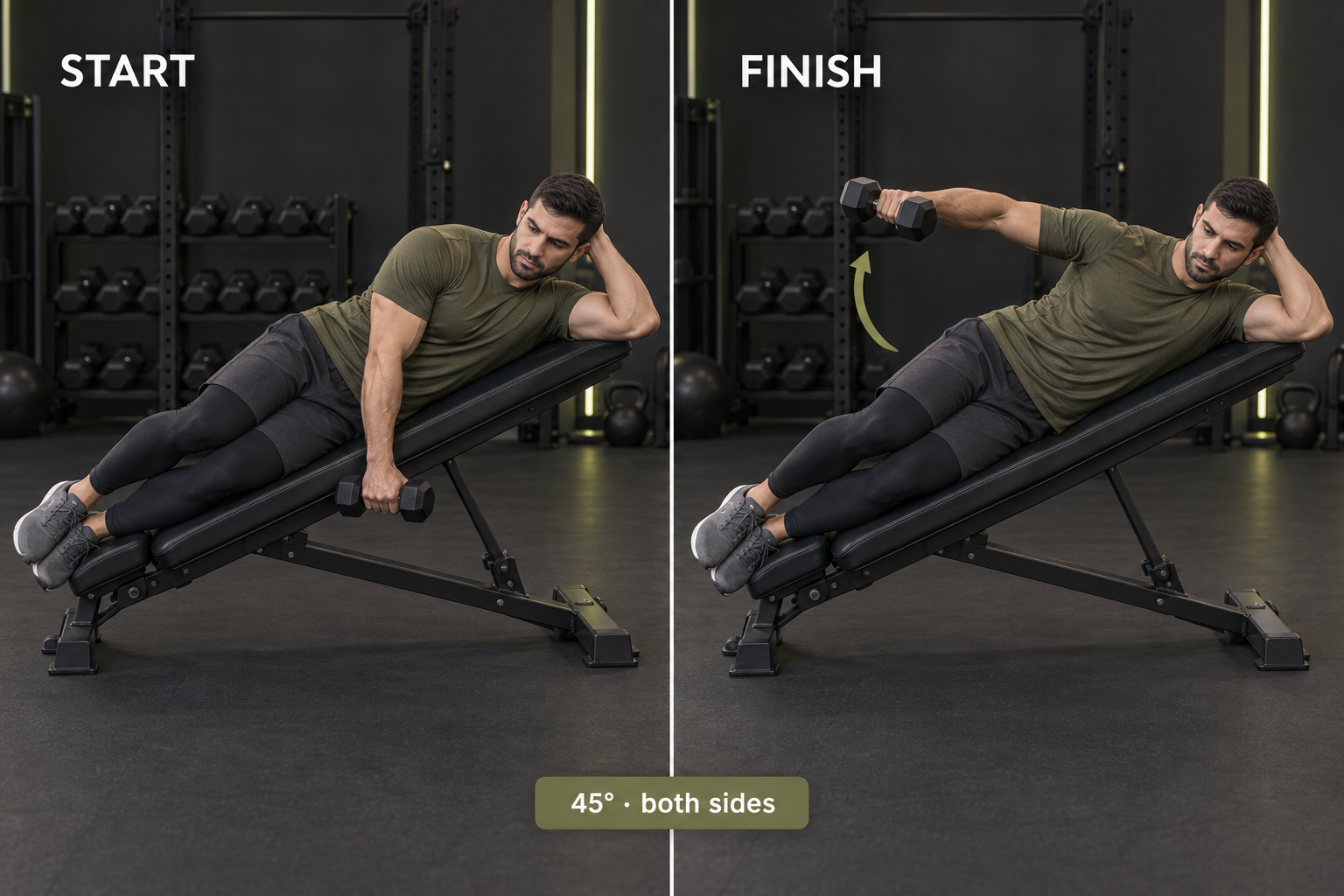 AI illustration · view full size ↗
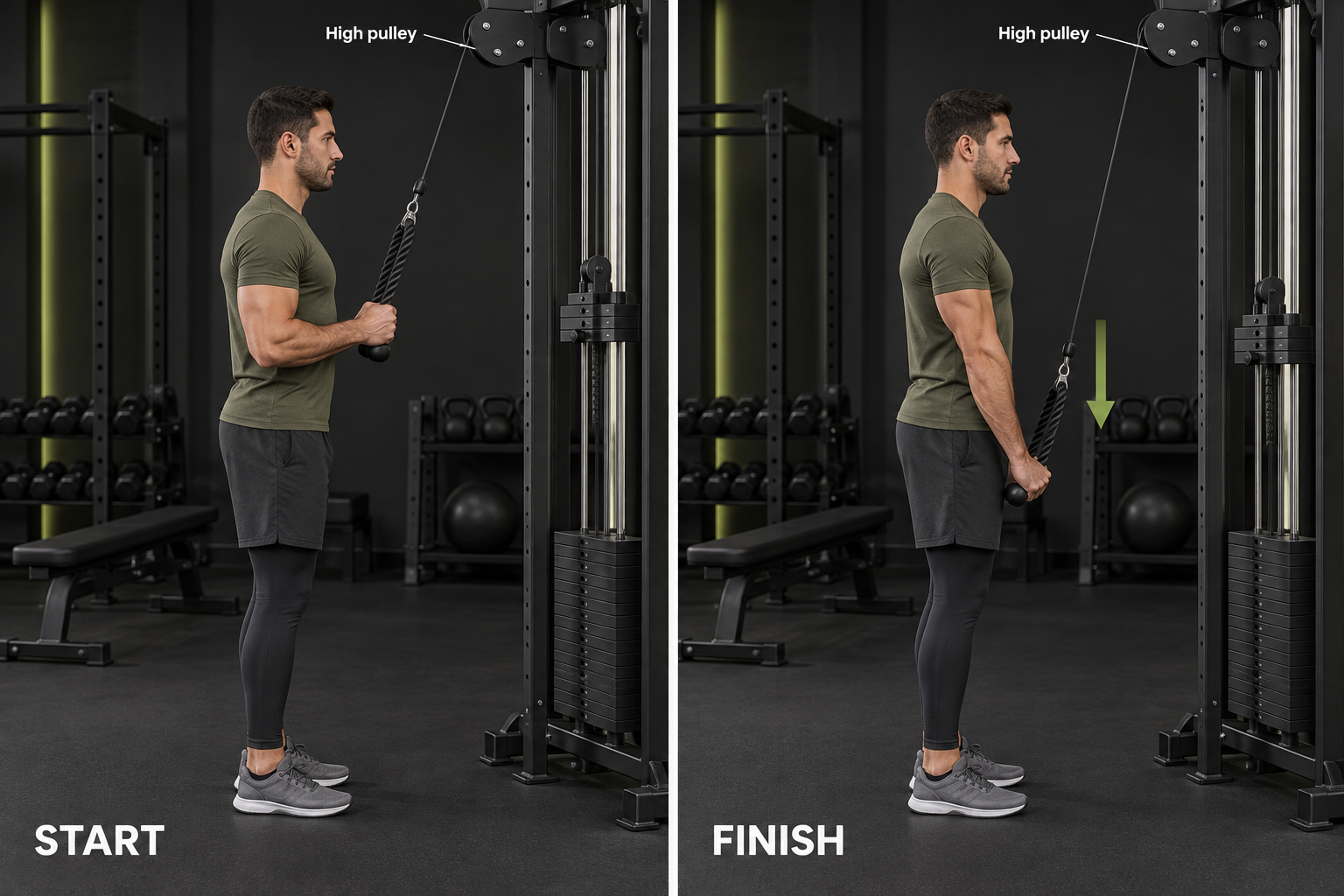 AI illustration · view full size ↗Technique reference ↗
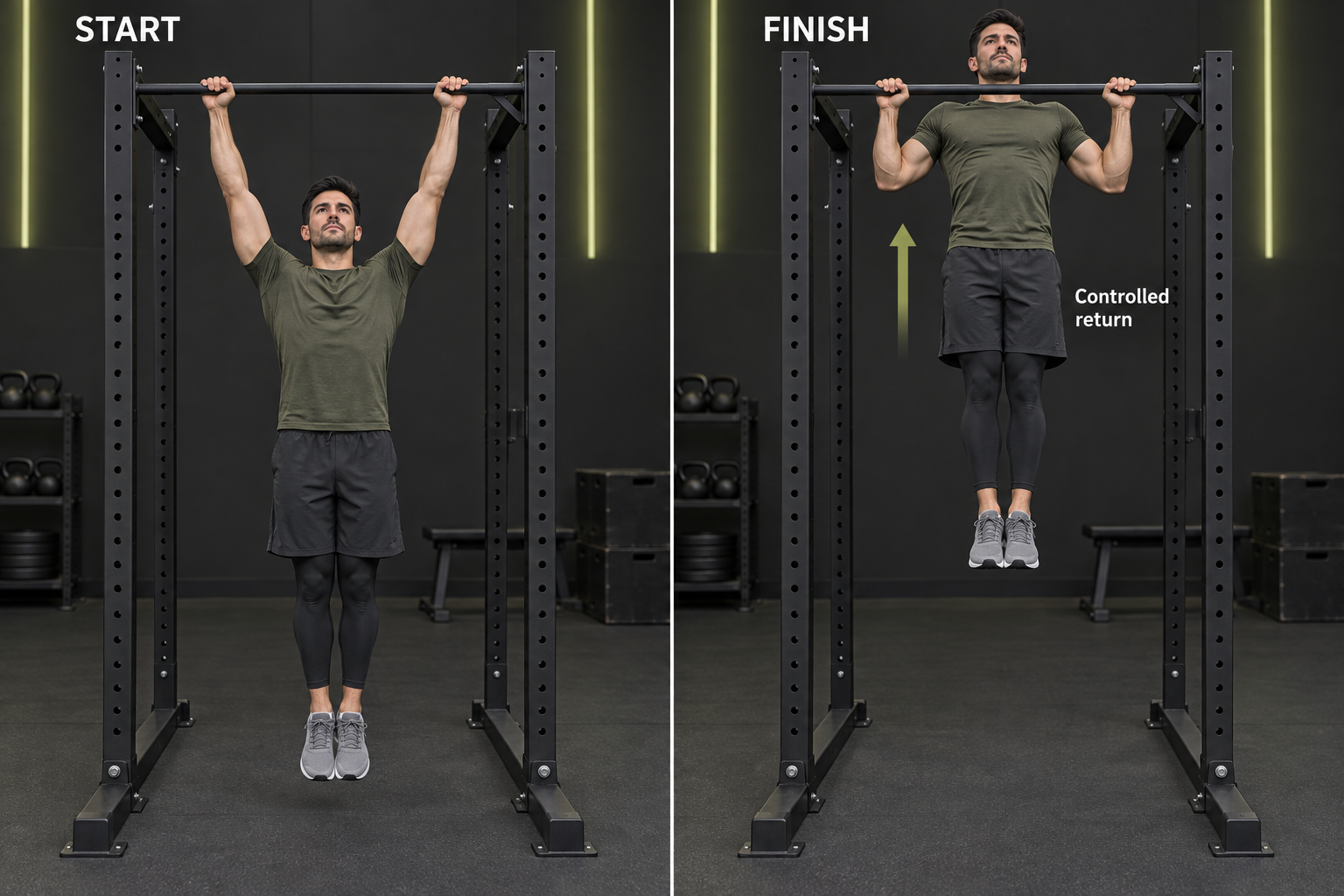 AI illustration · view full size ↗
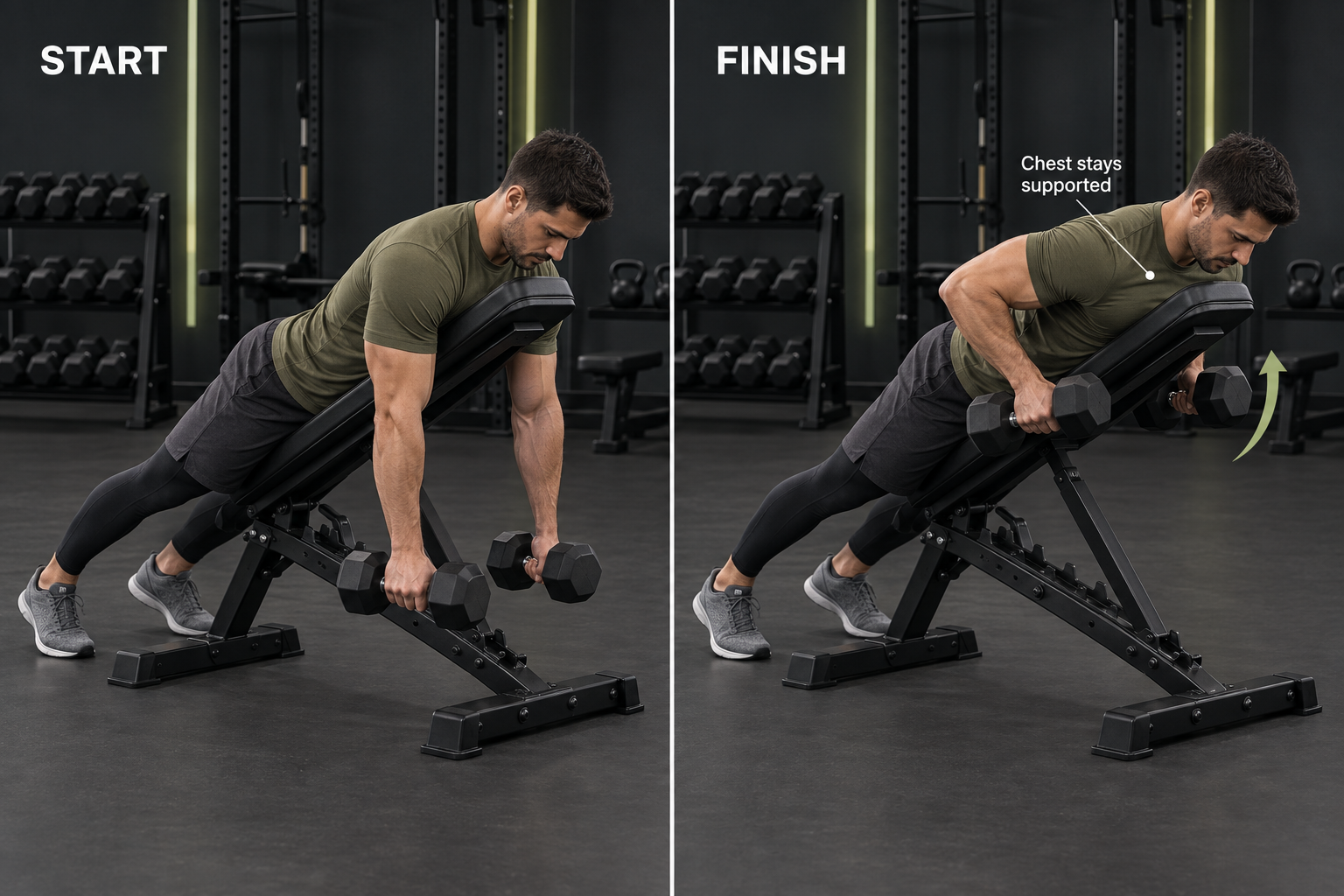 AI illustration · view full size ↗Technique reference ↗
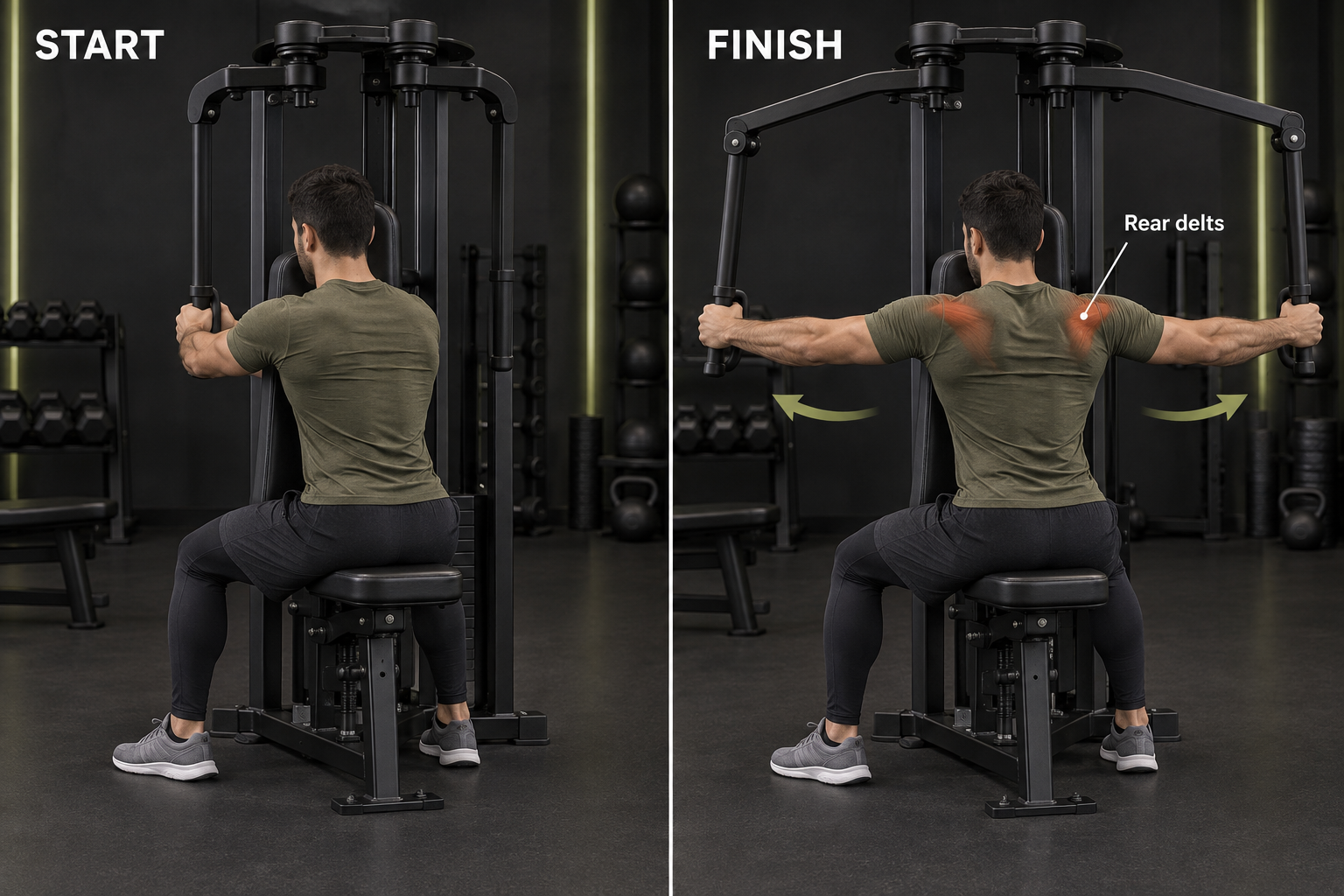 AI illustration · view full size ↗
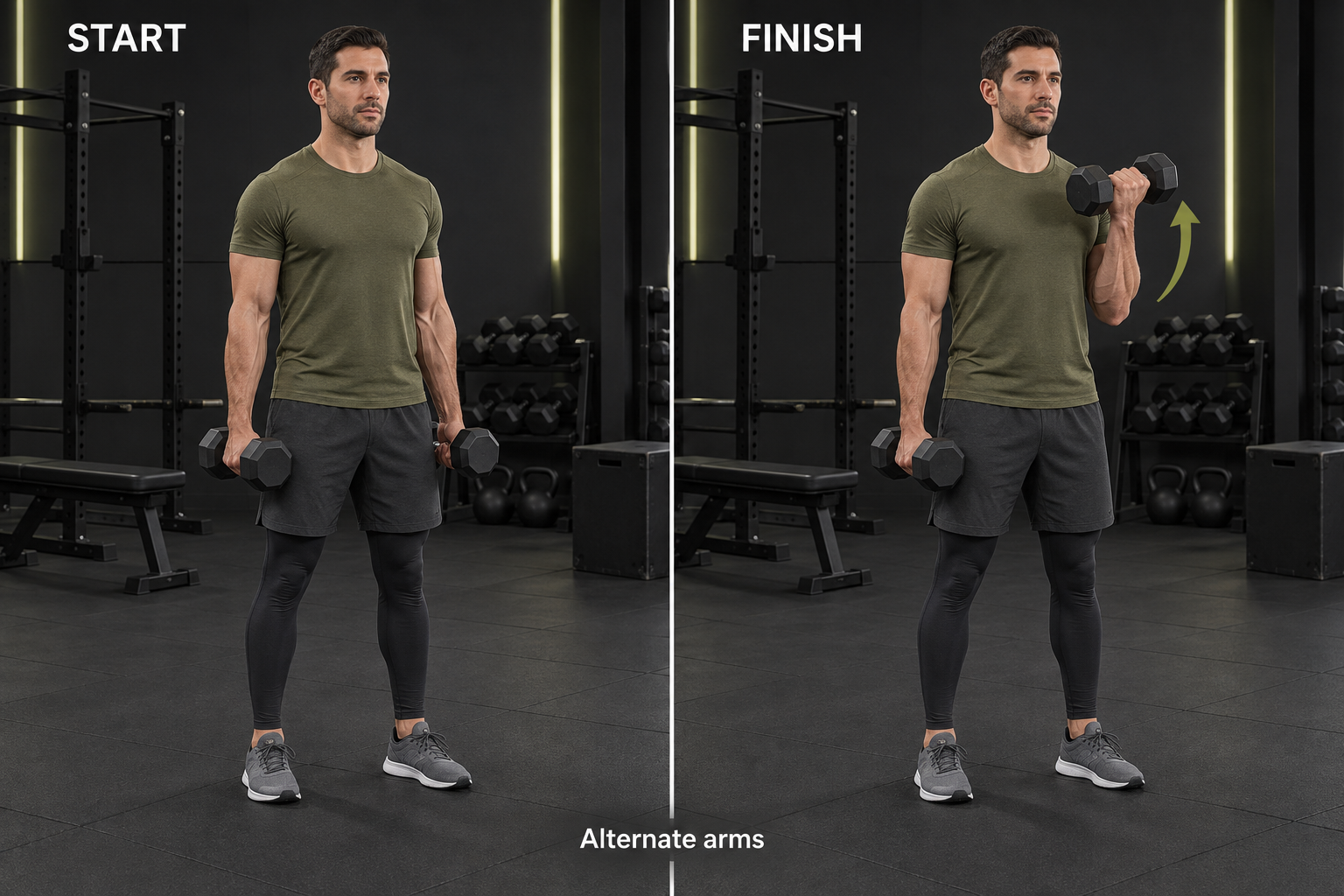 AI illustration · view full size ↗Technique video ↗
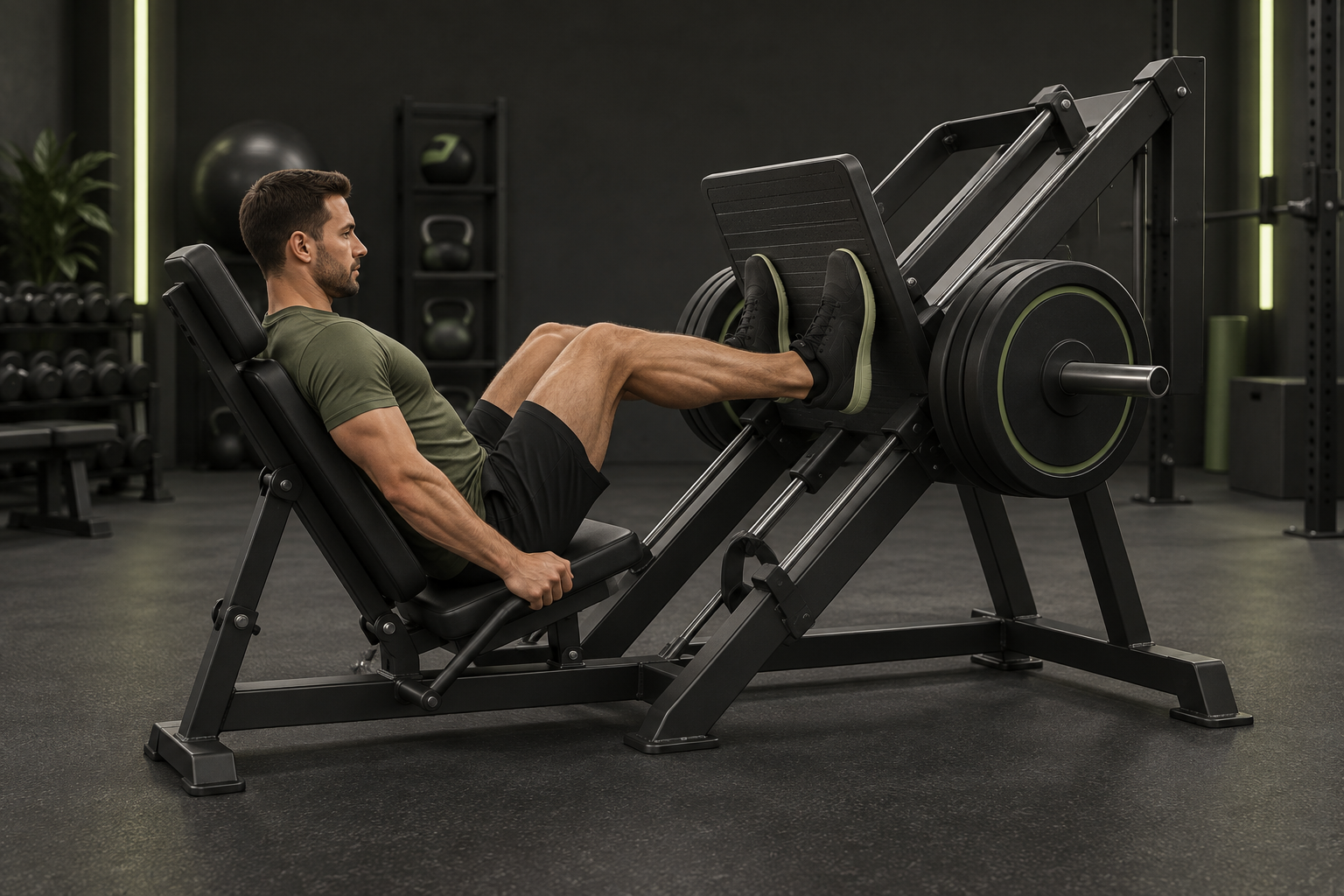 AI illustration · view full size ↗Technique video ↗
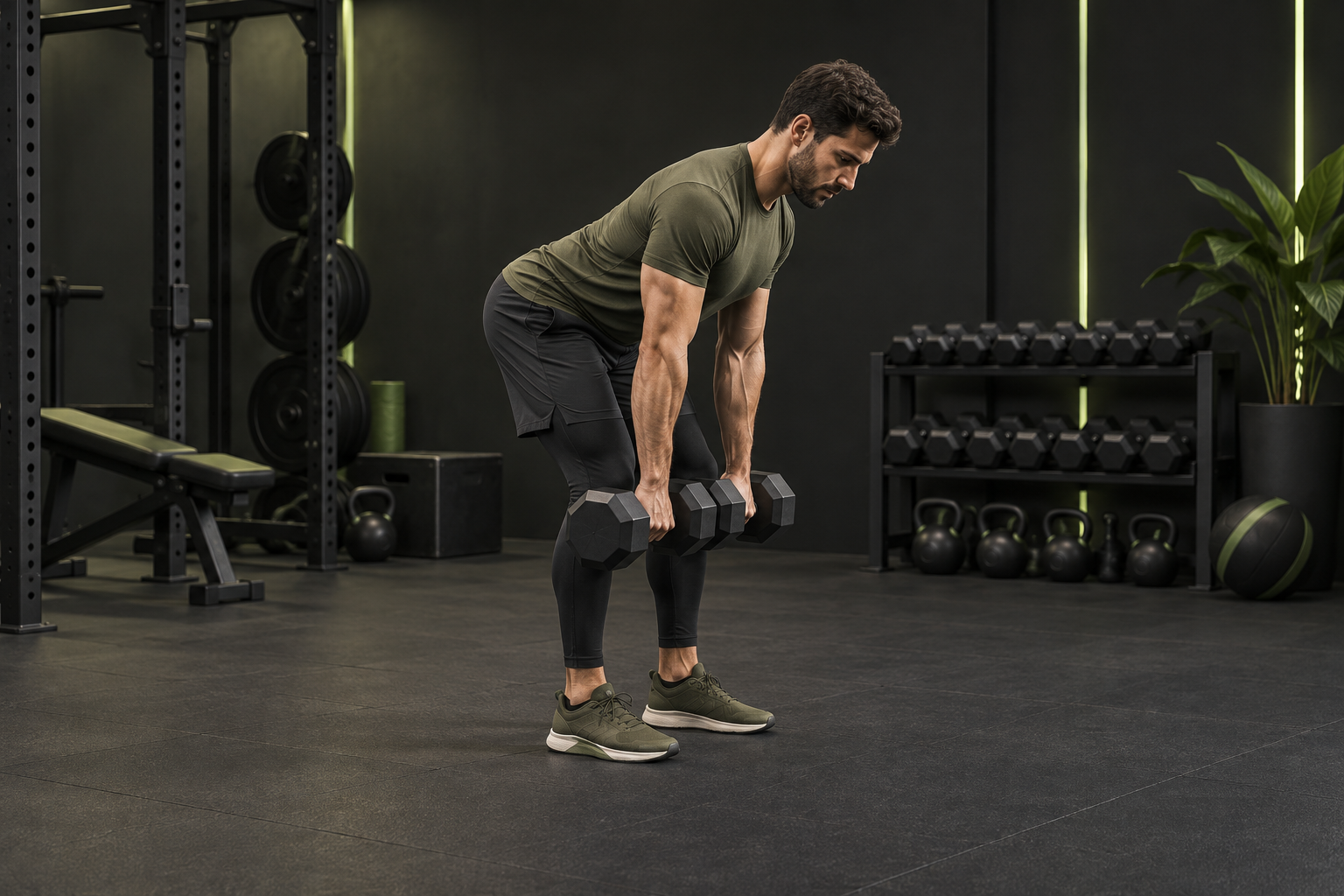 AI illustration · view full size ↗Technique video ↗
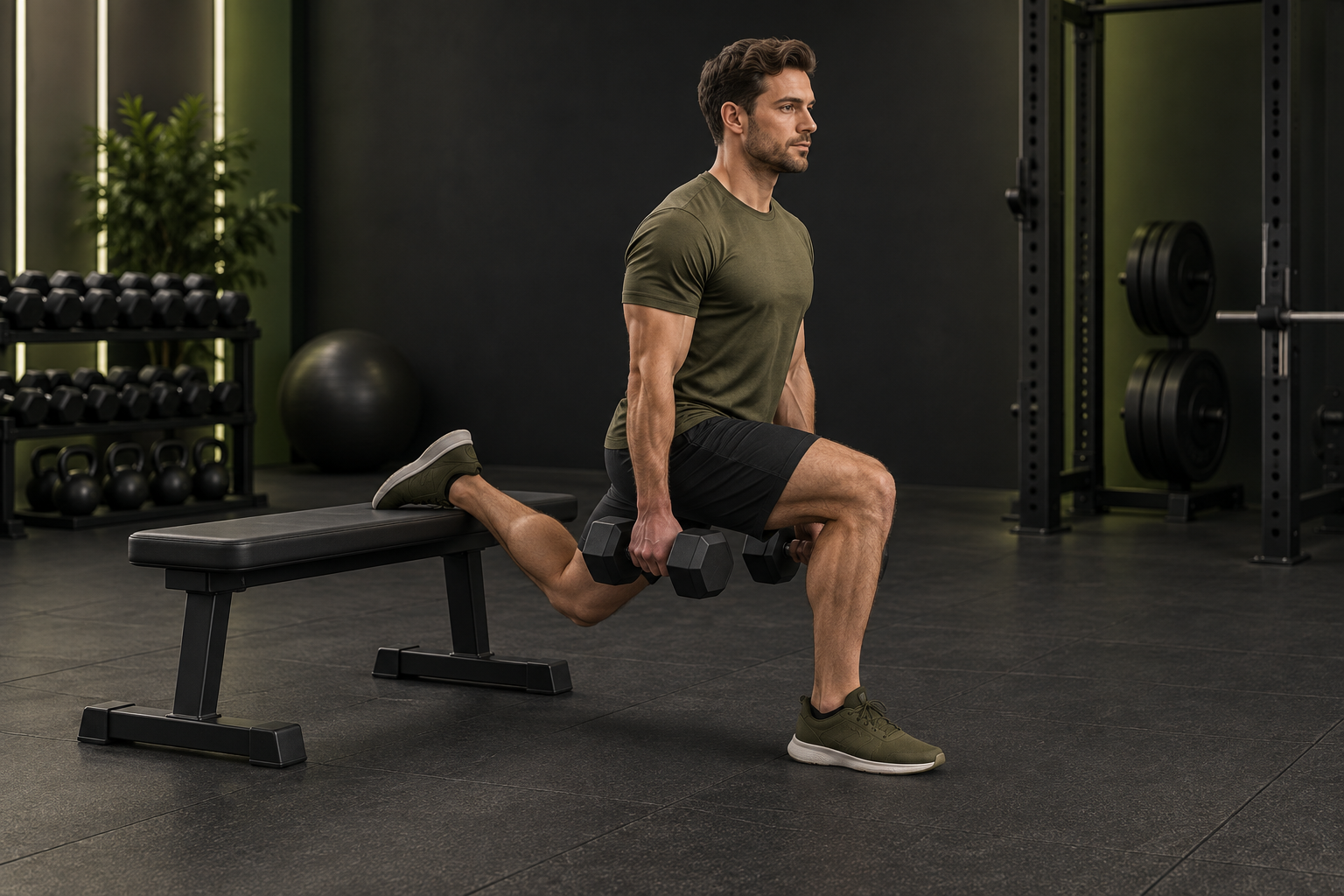 AI illustration · view full size ↗Technique video ↗
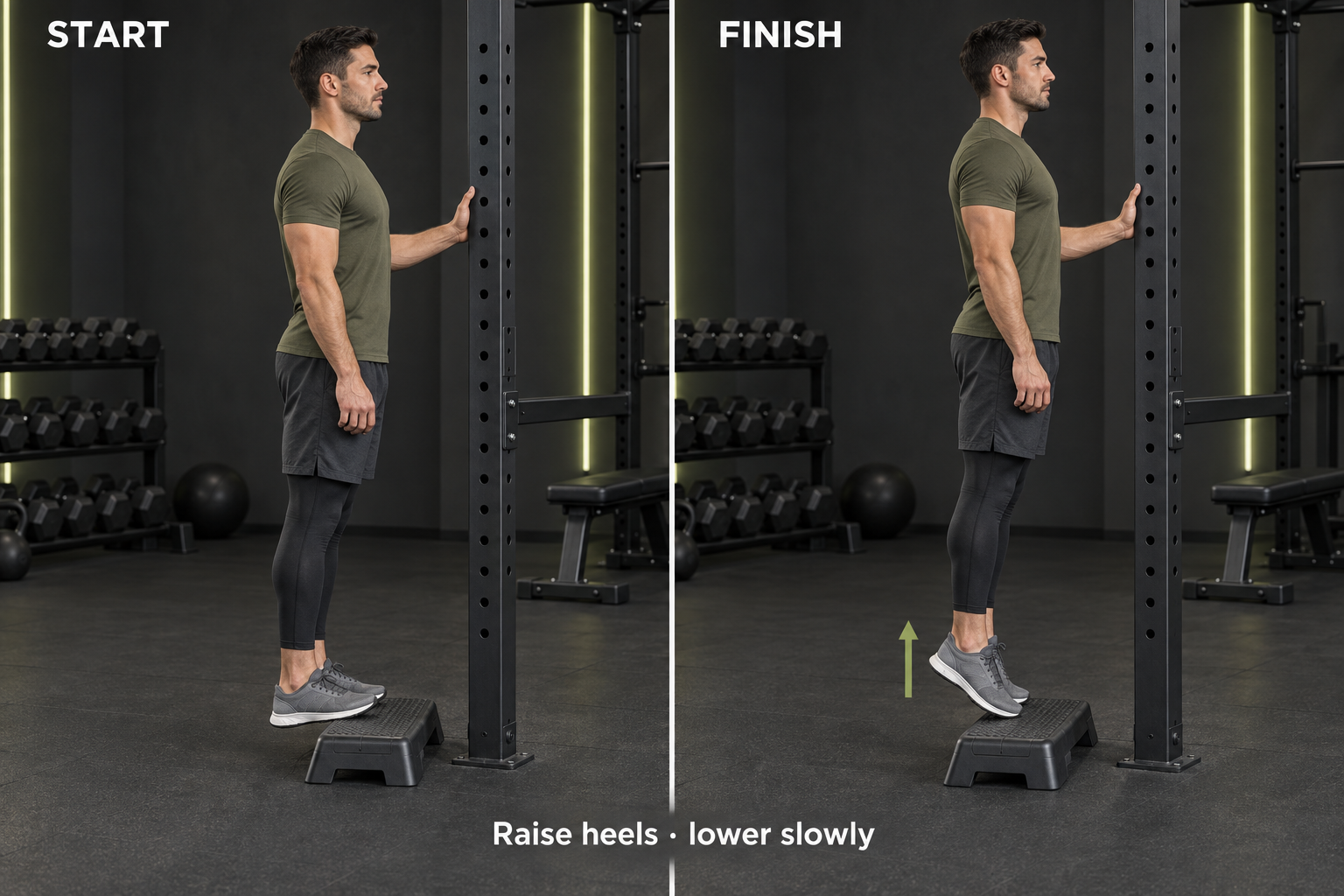 AI illustration · view full size ↗Alternative leg-press variation video ↗
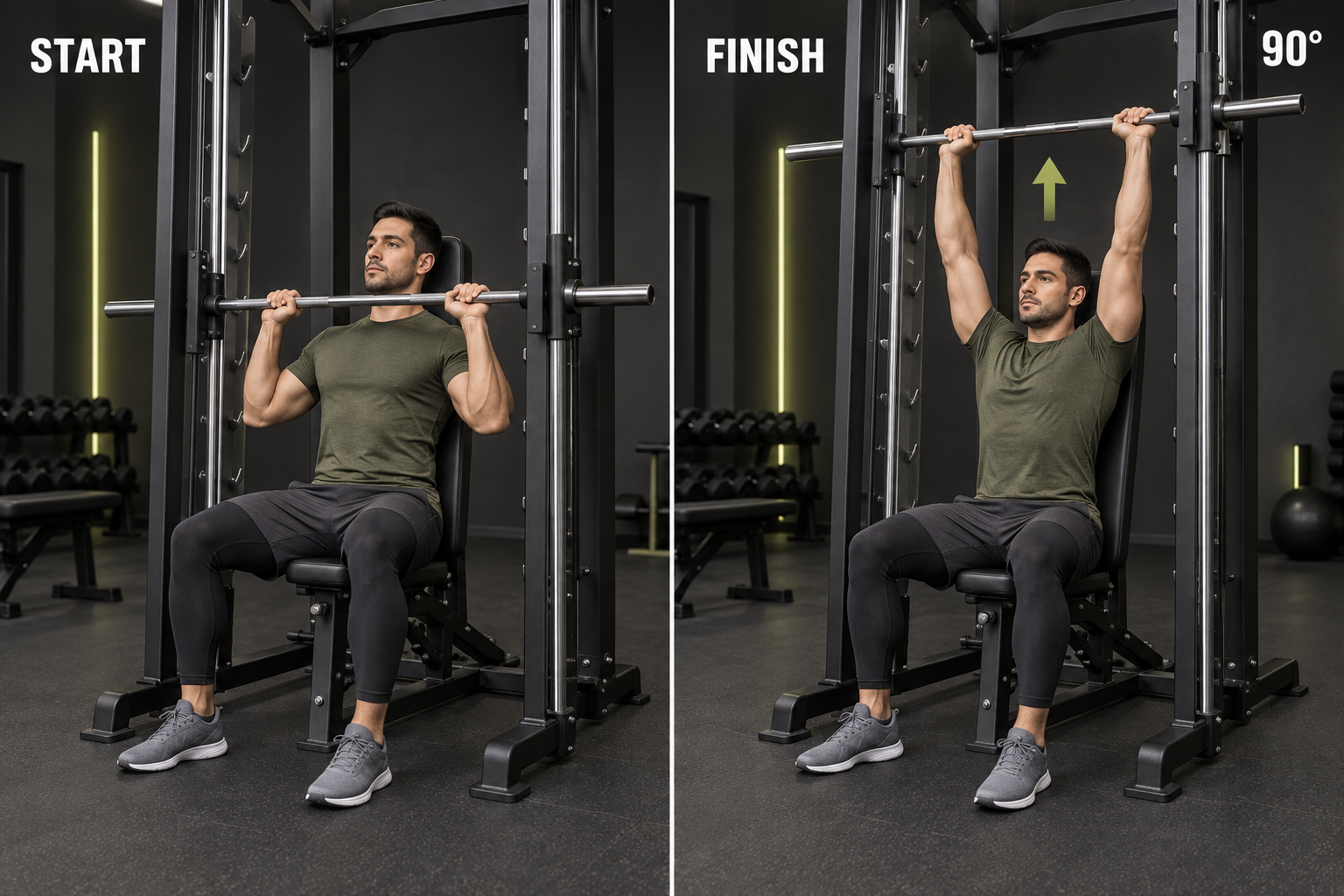 AI illustration · view full size ↗Technique reference ↗AI illustration · view full size ↗Technique reference ↗AI illustration · view full size ↗Technique reference ↗AI illustration · view full size ↗
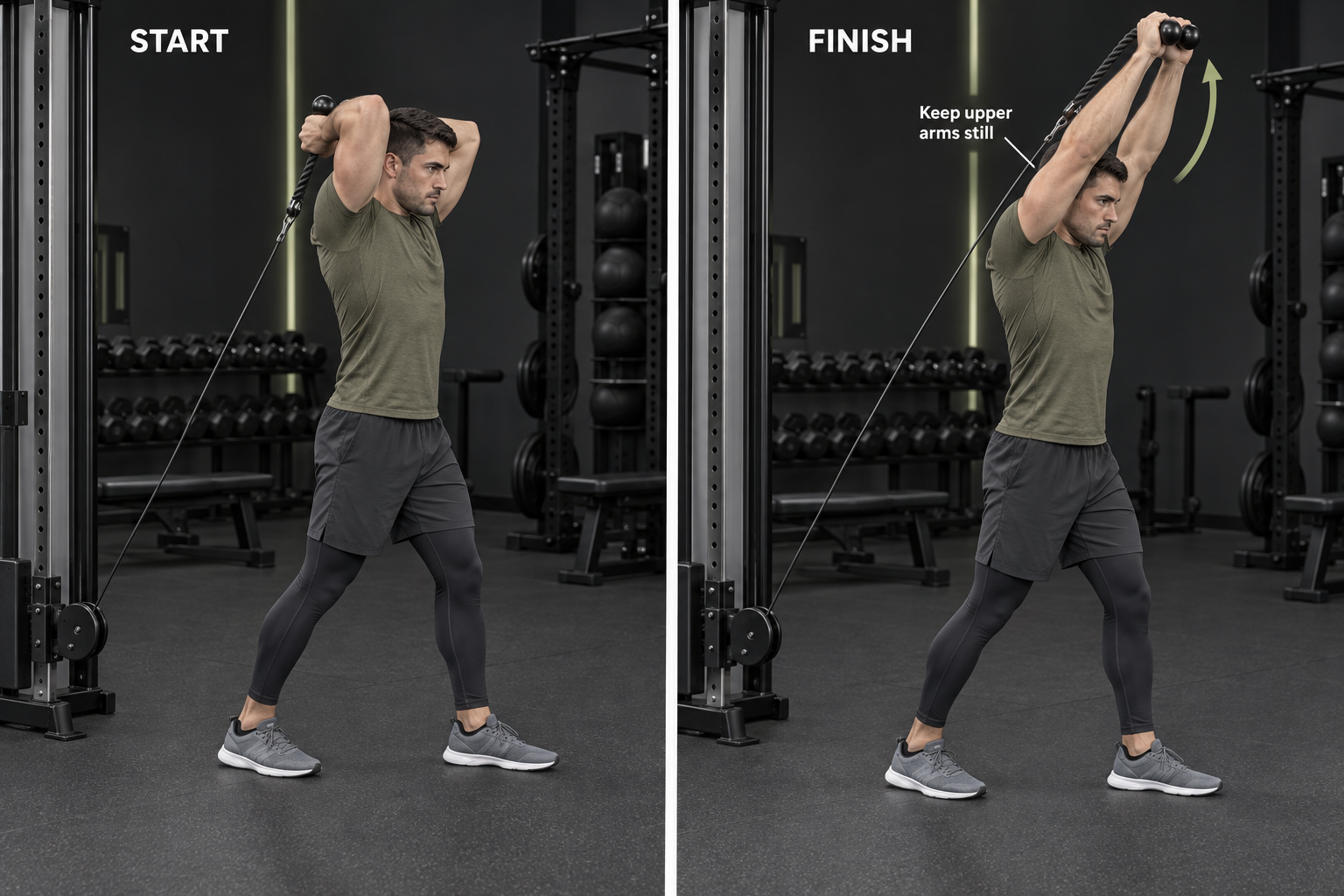 AI illustration · view full size ↗Technique video ↗
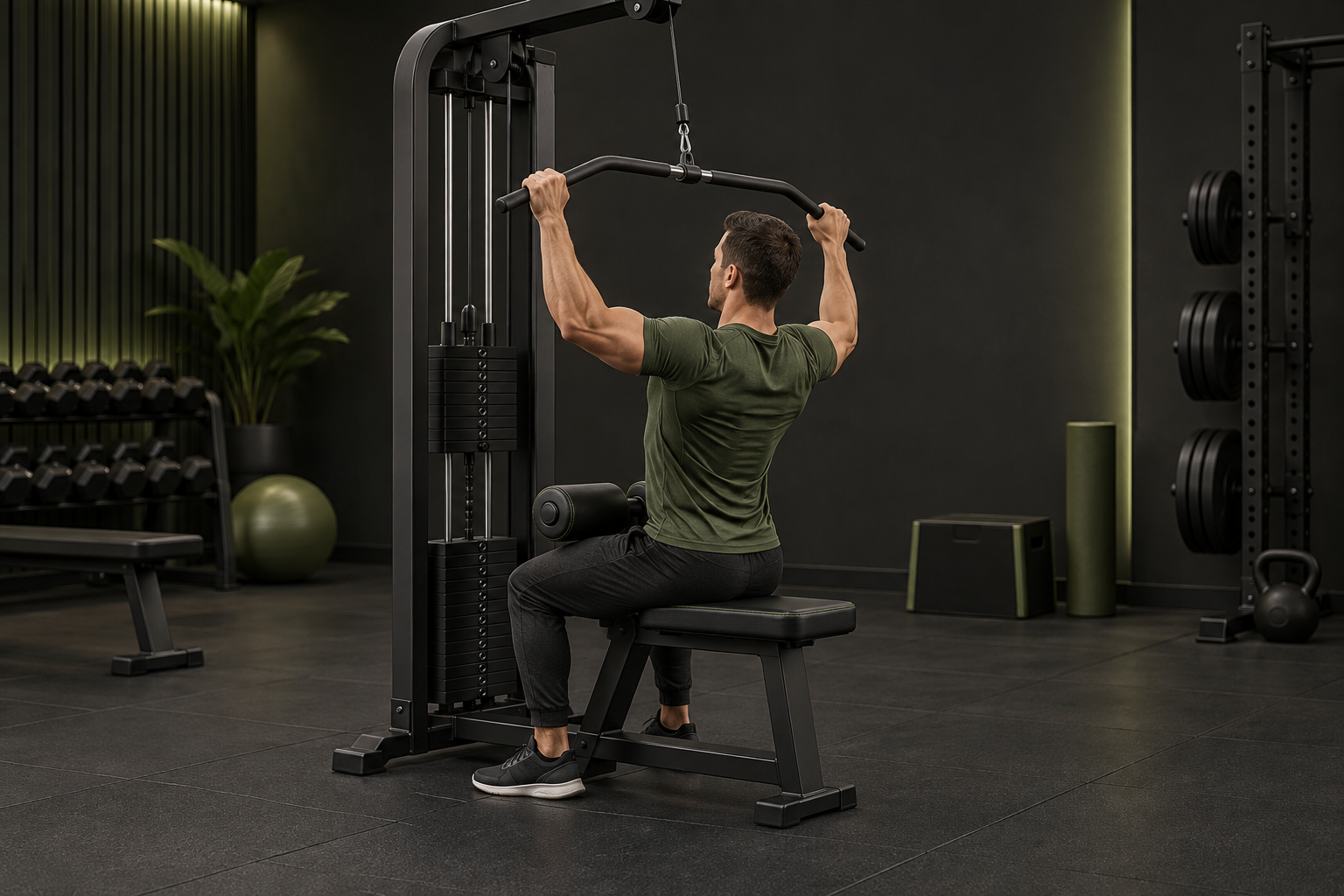 AI illustration · view full size ↗Technique video ↗AI illustration · view full size ↗Technique reference ↗AI illustration · view full size ↗AI illustration · view full size ↗Technique video ↗
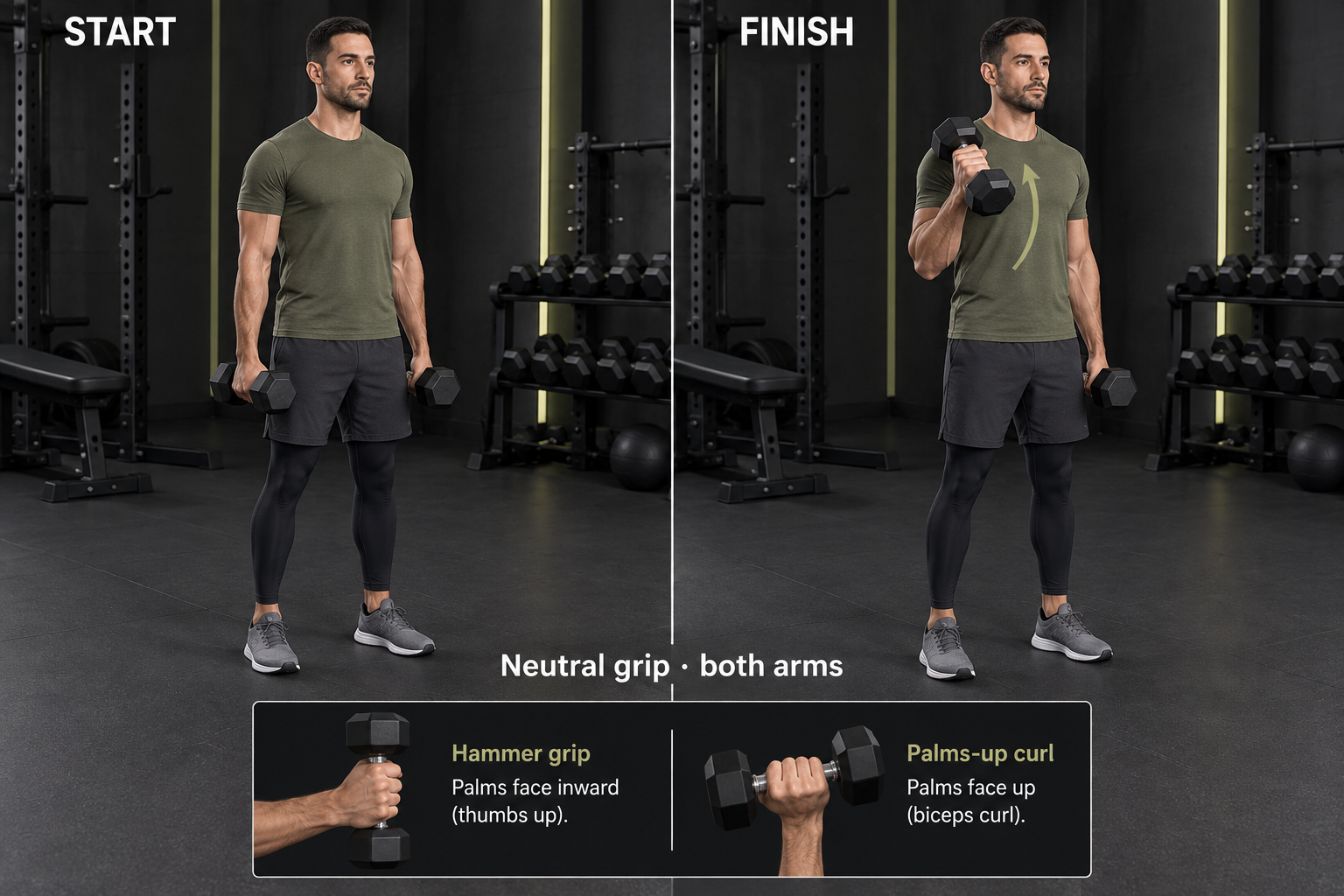 AI illustration · view full size ↗Technique video ↗
Add reps first. Increase weight when every set is ready.
Record reps and finish each set with about 2–3 good reps to spare.
Keep the same weight; add 1–3 reps in total per exercise.
Use the smallest increase only when every set reaches the top of its rep range with about 2 good reps to spare.
Improve clean reps or control. No max test is required.
“Reps to spare” means how many more good reps I could have completed before form slipped.
If reps fall below range or technique worsens, return to the previous weight. Hold steady if fatigue persists. The calendar alone never triggers an increase.
60 minutes of training, then 45 minutes of easy cardio.
Prepare for the first lift.
Complete the working sets with full rests.
Do two rounds of the day’s circuit.
5 minutes easy, 35 conversational, 5 easy.
Don’t rush or pad the clock. Use a treadmill, bike or elliptical. A 15% incline is optional; choose a sustainable pace and ease off or shorten cardio when recovery calls for it.
Record pull-up assistance. On one-sided lifts, start with the weaker-performing side and match its clean reps; arm size alone does not determine that side. Keep exercise variations, setup and load convention consistent, track substitutions separately, and compare Push A with Push A and Push B with Push B.
AFTER FOUR WEEKS
The starting chest measurement is 88 cm, self-reported on 28 September. There is no reliable centimetre forecast for four weeks. I’ll look for steadier technique and more clean reps at comparable loads; a visible chest-size change may or may not appear.
I’ll remeasure at the same tape site, relaxed, at a consistent time and breath state, without a workout pump. Chest circumference can also change with back size, body fat, posture and measurement method. Early muscle-size changes may include temporary swelling; this study ↗ does not provide a personal chest-growth rate.
Self-reported · 28 September 2026 · centimetres
The leg side and tape site were not recorded, nor whether the arms were flexed. The 59.4 kg InBody reading is from 23 September, not a new weigh-in. Measure at the same tape position, time of day and flexed or relaxed state, without a workout pump; record left and right thighs separately. Arm circumference alone does not establish strength or predict gains.
Earlier notes for load context; these are not completed sessions in this four-week plan.
| Date | Exercise | Recorded work | Context |
|---|---|---|---|
| 26 Sep | Unilateral chest press | 20 / 25 / 30 kg × 10 each | Same exercise; per-side work |
| 26 Sep | Side-lying raise | 4 / 6 / 6 kg × 10 each | Per side |
| 28 Sep | 45° incline press | 50 kg × 13; 60 kg × 6; 60 kg × 6 | 50 kg is a trial starting load |
| 28 Sep | 70° press | 50 kg × 10; 60 kg × 6; 60 kg × 6 | History only; not in this plan |
| 28 Sep | 90° press | 50 kg × 8; 50 kg × 10 | Third set unconfirmed |
| 28 Sep | Alternating curl | 16 kg · 3 sets | Reps and per-hand convention unknown |
| 28 Sep | Unilateral chest press | 25 kg · 3 sets each | Reps missing |
| 28 Sep | Rope pushdown | 17.5 / 20 / 22.5 kg × 10 | Three recorded loads |
| 28 Sep | Overhead rope extension | 17.5 kg × 10 × 3 | Three sets |
| 28 Sep | Pull-ups | 10 / 10 / 5 reps | Assistance unspecified |
Use the 50 kg 45° incline press only if current reps and technique support it. Establish a fresh load for unfamiliar exercises or unclear past setups.
Further reading: ACSM resistance training guidance ↗ · Concurrent cardio and strength review ↗. These are general references, not validation of this personalised plan or the pictured technique.
This local prototype uses MyFitnessPal, WHOOP, Everfit and InBody records exported on 23 September 2026. It is not a live feed. Louise dates the start of full-on training to March 2026. Summary cards cover the imported tracking window, 6 April–23 September; chart filters affect the chart and table only.
The full-journey weight, muscle, and body-fat charts include InBody records from the July 2025 checkpoint onward, including the February 2026 manual entry. June 11 is the earliest available scan after training started, not an April baseline. Older scans are retained in the private vault, including a manual entry in February 2026. MyFitnessPal weight logs are retained separately in the dataset and not mixed into these charts. Sleep, recovery, and HRV use the WHOOP cycle’s wake date. Multiple readings on one date are averaged. Sleep is the cycle sleep record, not a sum of all naps. Food values sum logged meals; missing days stay missing. Lighter dashed lines bridge gaps in daily records without adding values to the data or averages. InBody lines connect recorded scans as a visual guide; intermediate values are not measurements. Everfit weekly weights are plotted at week start and labelled by their full interval, with lighter dashed connections across missing weeks. Their aggregation method is unspecified.
WHOOP Age is documented through two supplied screenshots: a current weekly display and a six-month trend. Only explicitly displayed figures are transcribed; individual historical points are not available in the CSV. Everfit screenshot weights are included separately from InBody; the first tracked April week (6–12 April) shows 60.2 kg and the latest visible week (14–20 September) shows 59.1 kg. One exact duplicate InBody row was removed from derived data; original files are preserved. Movement totals and the calendar combine WHOOP activities, completed Everfit assignments and synced activities, and MyFitnessPal exercise and positive step records. Each recorded calendar date counts once across sources. Workout days and additional steps-only days are shown separately; calorie adjustments alone and uncompleted assignments are excluded. These are recorded-day counts, not a deduplicated total of individual workouts. Everfit assignment completion, WHOOP sleep, recovery and age, and MyFitnessPal nutrition retain their source-specific definitions. Travel context is optional and based on scheduled flights, not confirmed attendance. No claim of causation is made.